americas Basketball Brazil: Brazil’s Rise in Americas Basketball: Yo
Updated: April 9, 2026
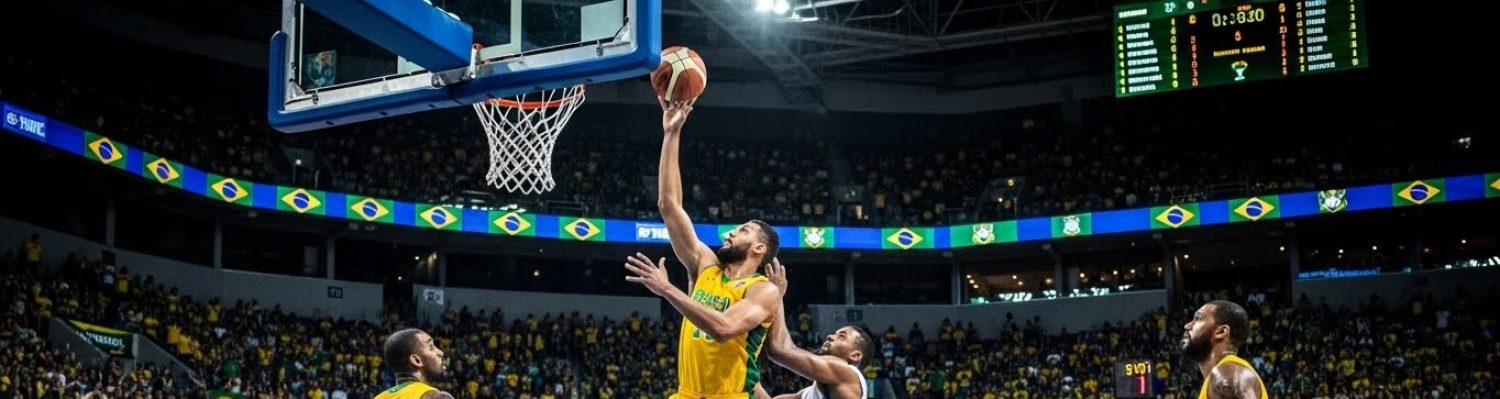
americas Basketball Brazil is not merely a regional label; it signals a shifting balance in which youth, coaching, and tactical experimentation are redefining how Brazil competes across the Americas.
Context and Momentum
Over the past decade, Brazil has rebuilt its basketball pipeline. The Novo Basquete Brasil (NBB) has expanded beyond marquee franchises to cultivate academies, youth leagues, and pathways for players to test themselves against tough regional competition. The national program has benefited from organized schedules aligned with FIBA windows, improved access to international exposure, and a growing cohort of players who learned their craft outside the former traditional routes. Analysts say the current cycle is less about a single star and more about depth: a wider pool of players who can execute multiple roles and maintain tempo across a full game.
With the Americas qualifiers serving as the crucible, coaches emphasize spacing, ball movement, and defensive versatility. Brazil’s approach aims to convert raw speed and athleticism into a sustainable system that can adapt to opponents from the Caribbean to the southern cone. The effect is visible not just on the court but in the way clubs collaborate with national team staff to share video analysis, track development, and align training loads across seasons.
Rising Players and the Meindl Spotlight
Leo Meindl, highlighted by FIBA’s spotlight during qualifiers, embodies the blend of guard IQ, length, and shooting that contemporary Brazilian rosters prize. His footprint speaks to a broader trend: players who can create offense in pick-and-rolls, beat switching defenses with incremental pace, and hit timely shots from the arc. While Meindl’s individual performances draw headlines, the story is really about a system that nurtures such players from youth academies into senior national teams. Brazil’s talent pool now includes wings and guards who can slot into multiple lineups, a necessity against the more position-specific defenses the Americas periodically deploys.
What makes Meindl’s emergence noteworthy is less about a single game or highlight reel and more about how a generation of Brazilian players has learned to balance pace with precision. Clinics, late-season development camps, and partner clubs have begun to standardize skill development around shooting mechanics, decision-making under pressure, and defensive rotations. The Meindl case shows that when the infrastructure supports a player through his physical and technical peaks, the team benefits in predictable ways—less reliance on hero shots, more reliance on collective execution.
Tactical Trends and Pathways
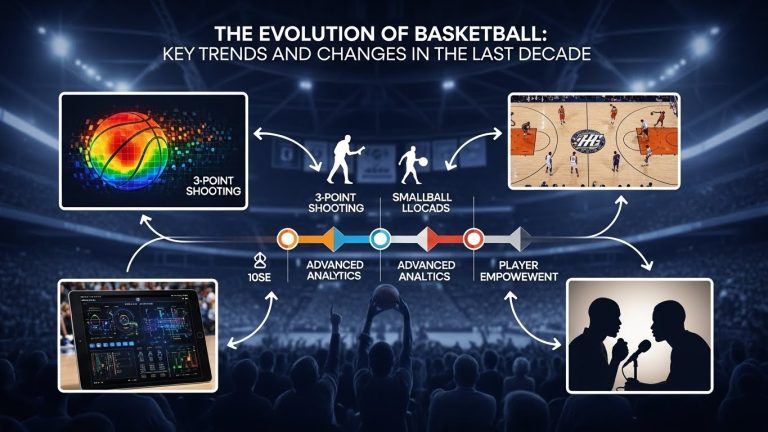
Strategically, Brazil is leaning into a guard-forward blend that can defend multiple positions and push tempo when advantageous. Coaches increasingly favor ball reversals, skipping passes that widen the floor, and using screening actions that create easier looks for shooters from the corners. This shift aligns with broader Americas basketball currents where teams emphasize three-point accuracy, secondary break finish, and transition defense. The domestic league’s scheduling and international windows have also pushed clubs to optimize load management: players rotate more deeply, and younger talents are given minutes in less predictable lineups, accelerating learning curves without sacrificing short-term results.
Beyond tactics, Brazil’s long-term prospects hinge on structural reforms: more robust scouting networks to identify late-blooming talents, enhanced coaching education, and a data-informed approach to player development. Analysts point to a need for consistency in the domestic calendar that respects travel demands and allows players to participate in both club and national duties without fatigue. In short, the country is moving from a talent-driven flash to a system-driven development that can sustain competitive peaks across cycles.
Actionable Takeaways
- Invest in continuous youth development networks, from academies to provincial leagues, to create a steady stream of versatile players capable of playing multiple styles.
- Coordinate the domestic league calendar with international windows to optimize player availability, rest, and development opportunities.
- Expand scouting and analytics partnerships to identify and cultivate dual-national or late-blooming prospects who fit Brazil’s modern, spacing-oriented style.
- Standardize coaching education and sharing of best practices across clubs to accelerate tactical literacy and defensive versatility.
- Encourage clubs to provide access to high-level competition, including regional tournaments, to sharpen decision-making under pressure for younger athletes.