Americas Basketball Brazil: Analyzing Brazil’s Qualifier Rise
Updated: April 9, 2026
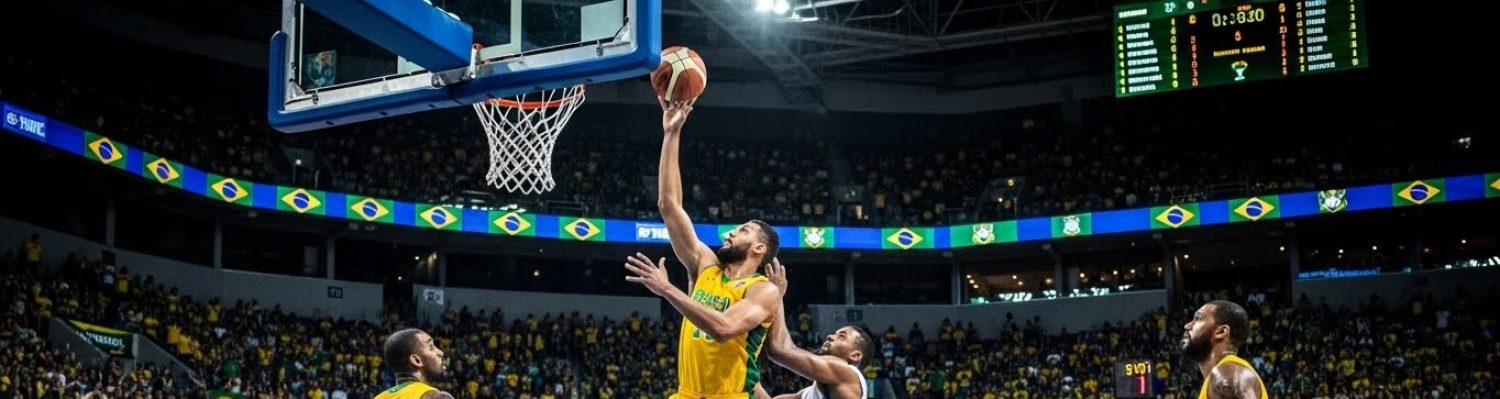
americas Basketball Brazil is at a turning point as the national team negotiates the balance between veteran leadership and a rising generation amid the Americas qualifiers. Coaches, federation officials, and players describe a hybrid approach that fuses the Brazilian tradition of free-flowing offense with modern pace, spacing, and data-informed decision-making. The spotlight on Leo Meindl, highlighted by FIBA coverage, underscores how a single breakout can recalibrate expectations, sponsorship interest, and even development funding across the sport in Brazil.
Rising Momentum in the Americas
Brazil’s recent windows in the regional qualifiers have shown a steady updraft in tempo and cohesion. Guards push the pace, forwards exploit space, and a growing emphasis on defense and rotation has reduced early-game slippage. The Meindl spotlight is more than a single player story; it signals a trend toward homegrown talents translating regional exposure into tangible on-court decisions. Analysts note improved ball movement, smarter shot selection, and a willingness to run multiple lineups that can adapt to different opponents—from quick transition- based teams to possession-oriented rivals. If this momentum persists through the remainder of the cycle, Brazil can harvest the benefits of a broader talent pipeline and more consistent preparation across windows.
Strategy under the Spotlight: Brazil’s Blend of Tradition and Experimentation
Historically, Brazilian teams have valued free-flowing basketball with creative campfires on the perimeter. The current approach blends that ethos with modern spacing, pace, and a readiness to lean on analytics for decisions about shot profiles and defensive schemes. A rising star such as Meindl provides gravity on the perimeter, allowing ball handlers to split defenses and kick out to shooters in rhythm. Coaches are experimenting with defensive schemes—varying from man-to-man to selective zones—to disrupt opponents’ ball movement while preserving numerical advantages in transition. The challenge is keeping a coherent identity as lineups shift between windows, ensuring players understand their roles in both primary sets and contingency plans.
Gaps and Bottlenecks: From Domestic Leagues to World Cup Qualification
Brazil’s progress sits alongside structural hurdles common to the region: the domestic league (NBB) generates high-level competition yet faces resource gaps that can impede sustained development. The pipeline from youth systems to senior national teams benefits from European circuits and Latin American leagues, but inconsistencies in scheduling, funding, and coaching continuity can blunt momentum between windows. Travel costs, training facilities, and medical oversight remain areas that could slow progress if not addressed with a coordinated plan. Bridging these gaps requires a long-term strategy that ties federation budgets to measurable development metrics, while preserving the flexibility national teams need to adapt to diverse international calendars.
Regional Dynamics: The Americas Basketball Ecosystem and Brazil’s Place
In the wider Americas, Brazil competes with traditional powers like Argentina and emerging squads across the Caribbean and Andean regions. The ecosystem benefits from shared competition, player mobility, and the potential for joint development programs that raise the level of play continent-wide. Brazil’s increasing visibility—driven by players in Europe and, to a growing extent, in the NBA’s orbit—creates leverage for funding, sponsorship, and youth outreach. How Brazil positions itself in this ecosystem will influence not only its World Cup campaigns but also the health of the sport across the hemisphere—whether the country becomes a regional catalyst or remains in a cycle of incremental gains.
Actionable Takeaways
- Align national team calendars with the domestic league and international windows to optimize player availability and readiness.
- Expand scouting and development networks in Brazil’s interior to unlock regional talent and diversify the player pool.
- Invest in data analytics, coaching education, and multi-year planning to sustain strategic continuity between qualification cycles.
- Enhance player exposure by expanding streaming and broadcast partnerships for domestic and regional events.
- Provide targeted funding and support for players transitioning to European and Latin American leagues to improve conditioning and experience.
Source Context
From an editorial perspective, separate confirmed facts from early speculation and revisit assumptions as new verified information appears.
Track official statements, compare independent outlets, and focus on what is confirmed versus what remains under investigation.