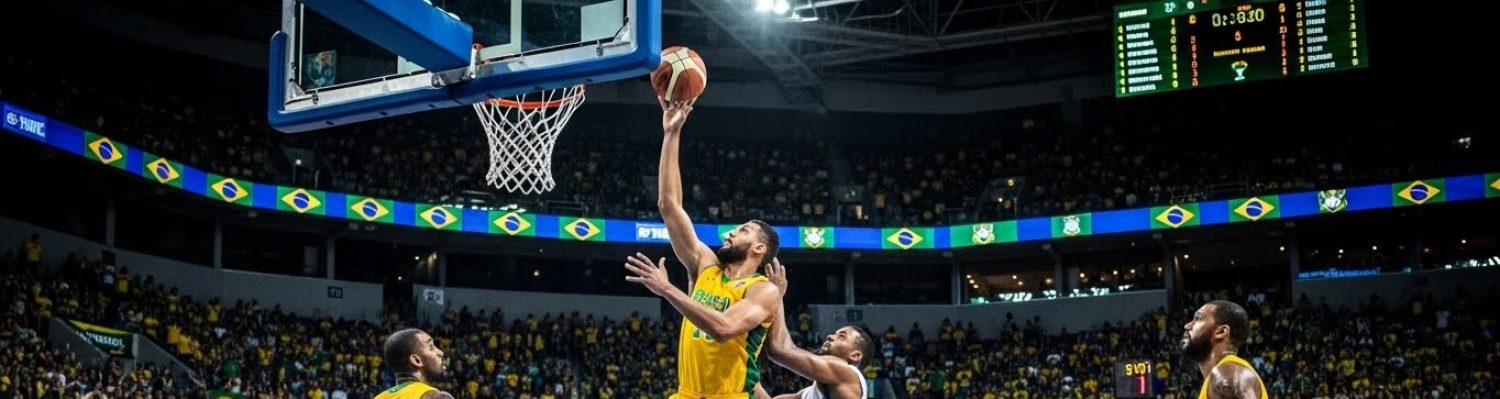

Nba Rookie Watch The Rising Stars To Keep An Eye On In The Upcoming Season
Updated: April 9, 2026
gui Basketball Brazil stands at a crossroads as Gui Santos’s multi-year extension unfurls a case study in how Brazil’s professional pathways intersect with NBA ambitions and the global game.
Context: Brazil’s talent pipeline and international aspirations
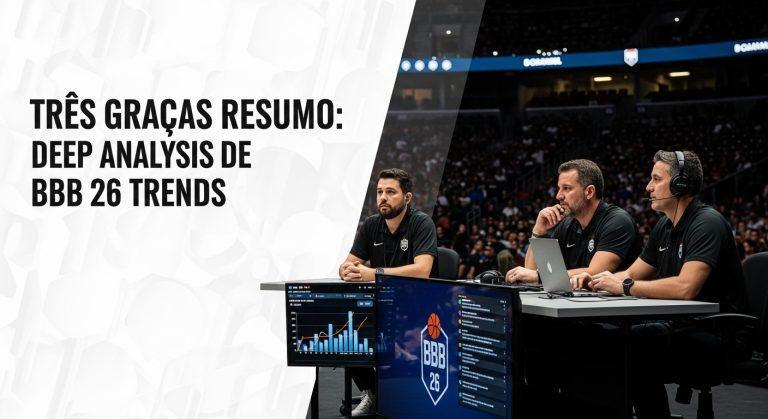
Brazilian basketball is recalibrating around a central question: how to nurture players who can compete at the highest levels while sustaining domestic competitiveness. The recent extension for Gui Santos—paired with attention on other Brazilian talents navigating the NBA ecosystem—illuminates a dual track: the immediate demands of contract security in a top league and the longer arc of national production. In the domestic sphere, the Brazilian Novo Basquete Brasil (NBB) has invested in academies, coaching education, and cross-border exchanges to standardize development timelines with international expectations. This alignment matters because talent accumulation that begins in Brazil now increasingly contends with opportunities abroad, and that tension shapes how clubs, federations, and sponsors structure training, competition calendars, and scouting.
From the blueprint of youth programs to the operational realities of pro teams, the extension signals more than a single player’s job security. It signals a willingness among clubs and leadership groups to anchor promising athletes in a longer development arc that can feed national teams, broadcast revenue, and international credibility. The ripple effects reach beyond the Warriors’ locker room: they influence how Brazilian youth coaches frame skill progression, how academies partner with overseas academies, and how local leagues attract investment during growth phases that require stable timelines for player maturation.
Impact on domestic development and club ecosystems
The domestic ecosystem benefits from a clearer pathway that translates NBA exposure into tangible improvements for players in Brazil. When a prospect signs a multi-year contract extension, it creates a signaling effect that can lure younger players, scouts, and sponsors into longer commitments with NBB teams and regional academies. Clubs may be more inclined to invest in data-driven training, nutrition programs, and sport science resources that underpin players’ readiness for both domestic competition and international mobility. At the same time, the increased visibility of Brazilian talent reinforces marketability for sponsors who want to align with stories of progression, discipline, and cross-cultural exchange. This dynamic matters in a country where football still dominates sports media attention; basketball’s growth increasingly hinges on intelligent branding that ties domestic success to global ambitions.
For the federation and league organizers, this moment underscores the need for synchronized calendars, improved youth-to-pro transition, and standardized monitoring of player development. The extension thus becomes a practical test case: will Brazilian clubs translate the elevated attention into structural reforms—such as centralized scouting networks, standardized player age bands, and formal pathways to the NBA ecosystem—or will the momentum fade into a collection of anecdotal success stories? The answer will shape whether the next wave of Brazil’s prospects can reach the upper echelons without sacrificing the quality and competitiveness of the domestic game.
Strategic signals for clubs, federations, and the national program
Strategically, the Santos scenario offers a model for how to balance opportunity with sustainability. For clubs, it is a reminder that talent development is a partnership between performance on the court and the business of sport—sponsors seek consistent narratives of growth, and front offices must deliver measurable progress in both results and player maturation. Federations and national programs can leverage this moment to institutionalize mentorship pipelines—paired with analytics and international exchange—that prepare players to contribute meaningfully to national teams while pursuing opportunities abroad. It also creates leverage to advocate for investment in coaching education, modernized training facilities, and performance centers that extend beyond the elite few to a broader cohort of players who represent the country in regional and global contexts.
Additionally, the narrative around Gui Santos’s extension invites a recalibration of expectations for Brazil’s international footprint. The country has a growing pipeline of players who can bridge South American basketball with the NBA’s global system. If domestic clubs, media, and the federation coordinate around a shared strategy—with performance data, development milestones, and clear timelines—the long-term health of Brazil’s basketball identity strengthens. In practical terms, this means more consistent domestic competition, better coaching education, and a more predictable flow of Brazilian players into overseas leagues, all anchored by domestic success that translates into national pride and incremental improvements in national team performance.
Scenario framing: 2026 and beyond for Brazil on the world stage
Two scenarios emerge from this moment. In a favorable trajectory, Gui Santos’s extension catalyzes a broader cohort of Brazilian players who step into NBA-level development tracks while returning periodically to national service. Domestic leagues expand as talent pipelines mature, and sponsorship and media partnerships follow the improved performance narrative. In this version, Brazil becomes a recognized source of versatile, skilled wings and guards who can contribute in international competition, ultimately lifting the country’s status in FIBA events and the Olympic cycle.
Alternatively, if stakeholders fail to institutionalize the gains, Brazil risks a rotation of talent that travels abroad without a commensurate strengthening of the domestic system. Talent leaves early, development stalls in the absence of robust training infrastructure, and the national program bears the cost of a talent drain without a compensatory rise in domestic competition quality. The extension, therefore, becomes an opportunity cost decision: will Brazil invest in a system that amplifies homegrown caliber, or will it rely on a few breakout players to carry the narrative while the rest of the system remains underdeveloped?
Actionable Takeaways
- Formalize a Brazil-to-NBA talent pipeline with shared coaching standards, performance metrics, and transfer pathways that benefit both the domestic league and international clubs.
- Invest in youth academies and coach education to ensure a steady supply of players with both technical skills and professional discipline.
- Align sponsorship strategies with visible development milestones, ensuring that investments translate into measurable improvements in domestic competition quality and national team readiness.
- Enhance data-driven scouting and cross-border exchanges to broaden exposure for Brazilian players while maintaining strong domestic competition values.
- Communicate a cohesive national narrative that links NBA aspirations with the growth of NBB, youth programs, and the eventual impact on the Brazil national team’s performance.