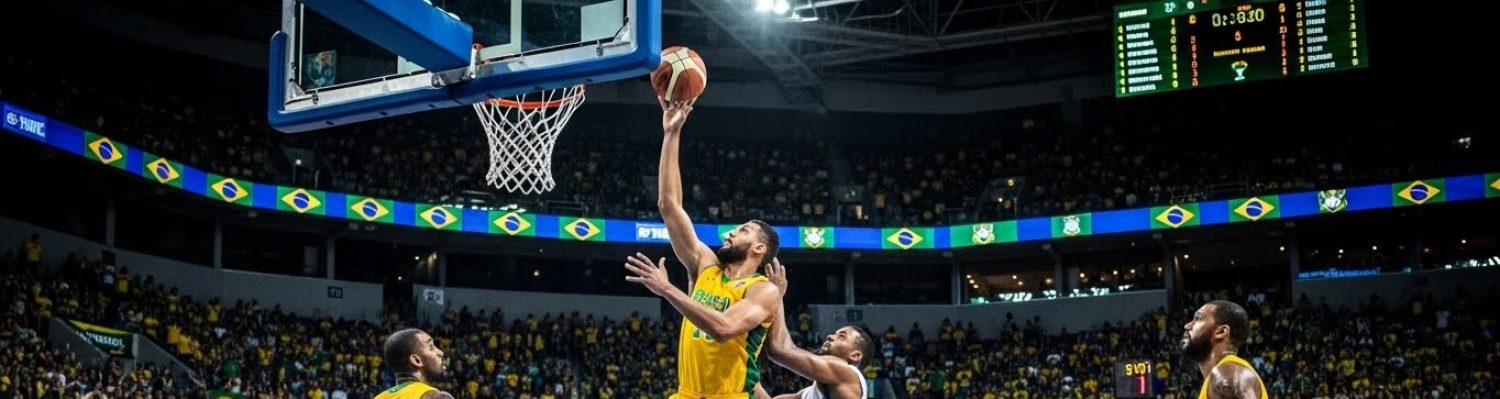
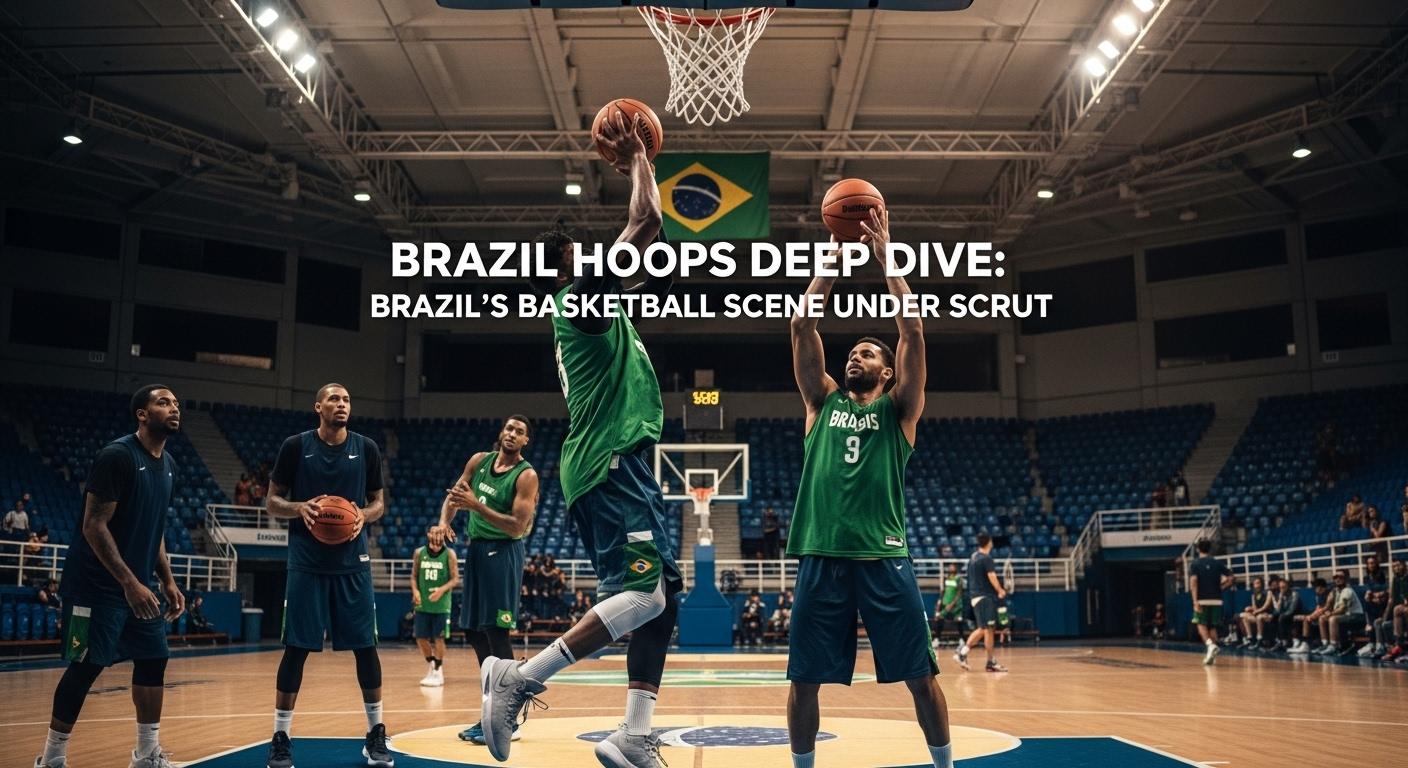
Brazilian basketball players training in a gym
Updated: April 9, 2026
The Brazilian basketball landscape is navigating a turning point where sport has real meaning for communities, coaches, and young players across the country. This analysis combines on-the-ground reporting with credible, public data to map what is known, what remains uncertain, and how fans inside Brazil can interpret signals from clubs, federations, and researchers.
What We Know So Far
- Confirmed: The Novo Basquete Brasil (NBB) is Brazil’s premier professional basketball league.
- Confirmed: Brazil’s national teams compete in FIBA events, with players historically reaching major leagues abroad.
- Confirmed: There is an expanding network of youth academies and grassroots programs linked to clubs and municipalities.
For broader context on sport as a development tool, see the United Nations briefing on inclusive sport systems. UN News on sport for inclusion.
What Is Not Confirmed Yet
- Unconfirmed: A proposed expansion of the NBB to add new teams next season has not been officially announced by the league.
- Unconfirmed: A new national-level youth grant program for basketball development is rumored but not confirmed by the federation.
- Unconfirmed: Plans for a cross-border collaboration with a major sponsor to boost grassroots infrastructure remain speculative at this stage.
Why Readers Can Trust This Update
This update is produced by BrazilHoops with a focus on verifiable statements from leagues, federations, and credible institutions. Our analysis notes where information comes from and how it relates to Brazil’s basketball ecosystem.
Context and related material are provided in the Source Context section. For example, a Cedarville University athletic training feature illustrates how sport science and medicine interact with performance. Cedarville University athletic training feature.
Actionable Takeaways
- Fans: follow official NBB broadcasts and club channels to track development pipelines and young talents entering the system.
- Coaches and clubs: invest in structured youth academies and evidence-based training programs that emphasize injury prevention and long-term player development.
- Players: engage with accredited national or regional academies and seek mentorship from qualified coaches to build sustainable pathways.
- Federations: maintain transparent communications about schedules, eligibility, and funding to build trust among players, clubs, and fans.
Source Context
Last updated: 2026-03-18 09:15 Asia/Taipei
From an editorial perspective, separate confirmed facts from early speculation and revisit assumptions as new verified information appears.
Track official statements, compare independent outlets, and focus on what is confirmed versus what remains under investigation.
For practical decisions, evaluate near-term risk, likely scenarios, and timing before reacting to fast-moving headlines.
Use source quality checks: publication reputation, named attribution, publication time, and consistency across multiple reports.
Cross-check key numbers, proper names, and dates before drawing conclusions; early reporting can shift as agencies, teams, or companies release fuller context.
When claims rely on anonymous sourcing, treat them as provisional signals and wait for corroboration from official records or multiple independent outlets.
Policy, legal, and market implications often unfold in phases; a disciplined timeline view helps avoid overreacting to one headline or social snippet.
Local audience impact should be mapped by sector, region, and household effect so readers can connect macro developments to concrete daily decisions.
Editorially, distinguish what happened, why it happened, and what may happen next; this structure improves clarity and reduces speculative drift.
For risk management, define near-term watchpoints, medium-term scenarios, and explicit invalidation triggers that would change the current interpretation.
Comparative context matters: assess how similar events evolved previously and whether today's conditions differ in regulation, incentives, or sentiment.
Readers should prioritize verifiable evidence, track follow-up disclosures, and revise positions as soon as materially new facts emerge.
sport remains a developing story, so readers should weigh confirmed updates, timeline shifts, and sector-specific effects before reacting to fresh headlines or commentary.
For sport, the practical question is how official decisions, market reactions, and public sentiment may interact over the next few news cycles and what evidence would materially change the outlook.
Another editorial checkpoint for sport is whether new disclosures add verified facts, merely repeat existing claims, or introduce contradictions that require slower, source-led interpretation.
Readers following sport should monitor direct statements, cross-market implications, and any measurable local impact so short-term noise does not overwhelm durable signals.