Americas Basketball Brazil: A Deep Analysis of Brazil’s Rise
Updated: April 9, 2026
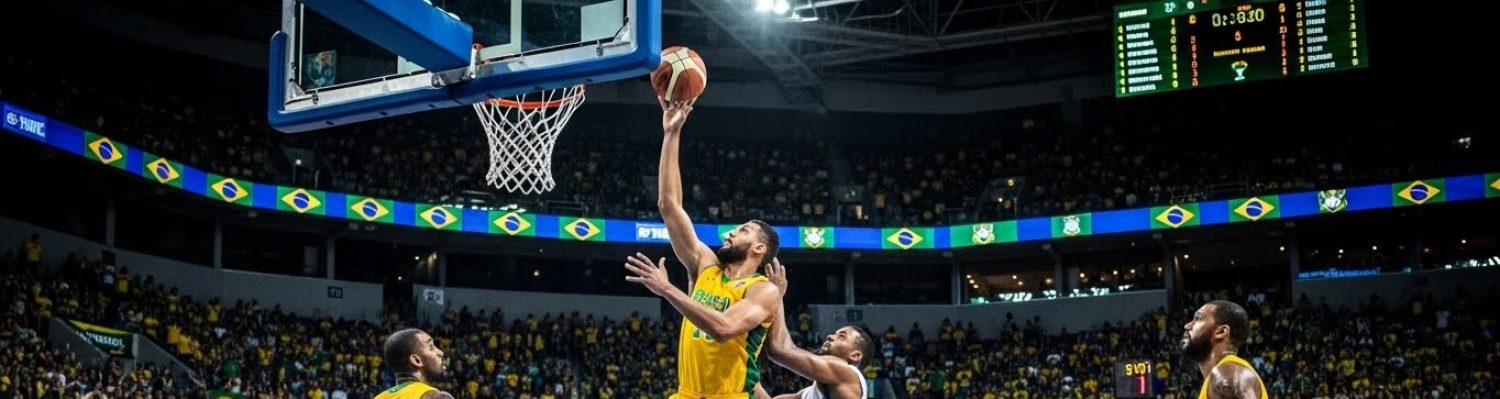
Across the americas Basketball Brazil landscape, Brazil’s national program is recalibrating as a new generation presses for sustained success. The question now is whether better coaching, deeper talent pipelines, and smarter exposure can translate promise into consistent results at the continental level and beyond.
The Americas Context and Brazil’s Trajectory
Brazil sits at a pivotal juncture in the broader Americas basketball ecosystem. Historically, the country has enjoyed moments of regional prominence—Olympic appearances, competitive showings in the Americas qualifiers, and a robust domestic league in the Novo Basquete Brasil (NBB). Yet the current moment demands a more deliberate synthesis of local development and international experience. In the qualifiers that double as talent barometers for leagues across the Americas, Brazil competes with formidable programs such as Argentina, Canada, and the United States’ international contingents. This environment is not merely about results; it is about signaling to players, coaches, sponsors, and fans that Brazil can produce sustainable pathways to higher levels of play. The growth of the sport in Brazil is increasingly tied to how well the federation aligns domestic competition with opportunities abroad, and how effectively media access translates into fan engagement and financial support.
Player Development and the Pipeline
Brazil’s talent pipeline has grown more intricate and layered, combining youth academies, club mentorship, and national-team programming. Coaches who can translate advanced tactical concepts into the court translate into teams that can adapt across different styles—European systems, North American pace, and South American improvisation. A visible marker of progress is Leo Meindl’s emergence during the Americas qualifiers, which underscores how one breakout can energize a broader cohort of prospects. This generation benefits from more structured training, cross-border exposure, and a gradual shift toward data-informed preparation. Still, uneven access to facilities and coaching quality across states remains a challenge, underscoring the need for scalable coaching education, standardized competition calendars, and durable partnerships that keep top talent within Brazil while offering clear routes to elite leagues abroad. The objective is not just to field strong national teams but to cultivate cohesive ecosystems where players can mature from youth tournaments into professional careers with continuity and support.
Media, Sponsorship, and Market Dynamics
Media access is increasingly central to shaping Brazil’s basketball growth trajectory. Live streams of qualifiers and domestic games expand reach in a country of vast geographic and demographic diversity, creating a broader fan base that sponsors and broadcasters find compelling. Platforms like DAZN have become a credible channel for fans to watch regional rivalries, developmental showcases, and national-team appearances, turning viewership into long-term sponsorship value. This dynamic is widening the sport’s commercial scaffolding: more predictable broadcast windows, better data on audience behavior, and opportunities for grassroots marketing that can translate into youth participation and attendance. As federations align with sponsors seeking tangible reach, Brazil’s basketball economy gains a longer horizon for investments in facilities, coaching, and youth programs, reinforcing the sport’s national footprint and international credibility.
Actionable Takeaways
- Invest in consistent, nationwide coaching education to raise the standard of play across clubs and regions.
- Synchronize the domestic calendar with international competition to maximize player development without overloading schedules.
- Expand broadcast and streaming partnerships to deepen fan engagement and attract sponsors in Brazil and beyond.
- Forge pathways for Brazilian players to compete in Europe and North America while preserving a strong domestic league that nurtures top talent.
- Leverage data analytics to identify development gaps, tailor training programs, and monitor progress across age groups.
Source Context
From an editorial perspective, separate confirmed facts from early speculation and revisit assumptions as new verified information appears.
Track official statements, compare independent outlets, and focus on what is confirmed versus what remains under investigation.
For practical decisions, evaluate near-term risk, likely scenarios, and timing before reacting to fast-moving headlines.
Use source quality checks: publication reputation, named attribution, publication time, and consistency across multiple reports.
Cross-check key numbers, proper names, and dates before drawing conclusions; early reporting can shift as agencies, teams, or companies release fuller context.
When claims rely on anonymous sourcing, treat them as provisional signals and wait for corroboration from official records or multiple independent outlets.