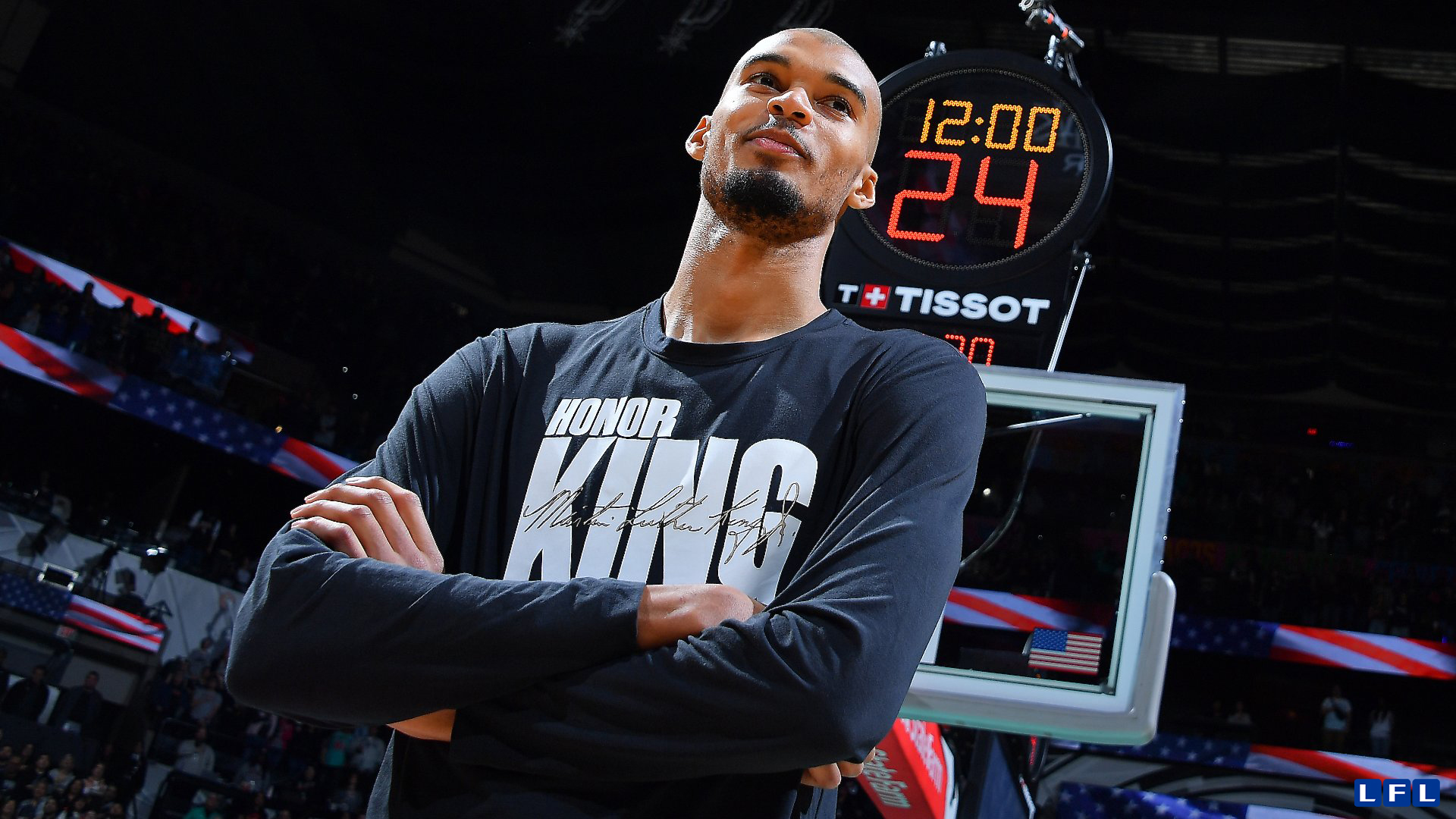
SAN ANTONIO, TX - JANUARY 15: Victor Wembanyama #1 of the San Antonio Spurs looks on before the game against the Milwaukee Bucks on January 15, 2026 at the Frost Bank Center in San Antonio, Texas. NOTE TO USER: User expressly acknowledges and agrees that, by downloading and or using this photograph, user is consenting to the terms and conditions of the Getty Images License Agreement. Mandatory Copyright Notice: Copyright 2026 NBAE (Photos by Michael Gonzales/NBAE via Getty Images)
Updated: April 9, 2026
In a move that could reshape perceptions of Brazilian talent on the world stage, Gui Santos signed a multi-year extension with the Golden State Warriors, a development that makes gui Basketball Brazil a live case study for how young players from Brazil transition to the NBA ecosystem. This analysis looks beyond the contract to explore the broader implications for players, clubs, and fans in Brazil and across South America.
Context: Gui Santos and the Warriors’ trajectory
The reported extension arrives at a moment when the Warriors are balancing veteran continuity with a steady influx of younger players drawn from international pipelines. Santos, a 6’7″ wing with length and a growing offensive repertoire, has been part of Golden State’s long game: develop a versatile defender who can space the floor, make simple reads, and grow his role as the organization’s confidence in roster depth is tested in playoff runs. While the specifics of the deal remain under wraps in public summaries, outlets that cover Bay Area basketball describe a multi-year commitment that signals a prioritization of long-term development over quick rotation credit.
For fans in Brazil, the extension reads as more than a contract; it is a signal that the NBA’s attention to Brazilian players is becoming a sustainable pathway rather than a one-off occurrence. Santos’ trajectory—rooted in Brazil’s club systems and adapting to the pace and spacing of NBA basketball—illustrates the sequence many aspiring players watch: professional development in domestic or regional leagues, a step into the NBA ecosystem on the wings, and a steady climb toward rotational minutes on a team emphasizing two-way play.
Brazil’s basketball ecosystem and the international pipeline
Brazil has long produced technically skilled players who combine size with a traditional European-leaning basketball IQ. The current moment is different: a cohort of Brazilian guards and wings are juggling responsibilities at youth academies, domestic leagues, and foreign circuits, which in turn creates more opportunities for NBA teams to scout and sign young talent. A multi-year extension for a young Brazilian prospect in the NBA fuels conversations about how Brazilian clubs – and Brazil’s national program – can better leverage NBA connections to accelerate development back home. If Santos’ success continues, it could encourage clubs and federations to invest more in player development, grassroots facilities, and data-driven training that aligns with NBA-style conditioning and tactical play.
Brazilian fans are increasingly used to following a player’s journey across continents, choosing to support not only the star moments but also the long arc of growth. That arc is partly shaped by how teams manage development time, assign playing roles, and provide language and cultural support to foreign players. The Warriors’ decision to retain Santos for multiple seasons can be read as an acknowledgment that Brazilian talent can be both culturally and athletically integrated into a top-tier franchise’s DNA, provided the right development scaffolding is in place.
Strategic fit: how the extension shapes Golden State’s development plan
Strategically, a multi-year commitment to a young wing like Santos makes sense for a franchise that has built its identity on adaptable defense, spacing, and high basketball IQ rotations. Santos offers length, positional versatility, and the potential to grow as a shooter and defender. If he continues to refine pull-ups, quick closeouts, and off-ball movement, he could become a credible component of the Warriors’ wing rotation without demanding heavy minutes immediately. The extension thus functions as a risk-managed bet: Golden State guards minutes and resources for a player who, with time, could reduce reliance on veteran wings and help maintain depth during playoff runs.
From a development perspective, the deal invites a two-pronged approach: continued NBA-level refinement during the season and structured, international-friendly development during the offseason. The squad’s coaching staff is likely to emphasize physical conditioning, film study, and system familiarity, while leveraging the club’s strong player-development infrastructure. In parallel, Santos’ presence abroad and in Brazil’s national programs could help the Warriors justify a broader Latin American scouting and development footprint, aligning with a strategic push to diversify talent pipelines beyond traditional feeder regions.
Looking ahead: opportunities and challenges for fans and players
For fans, Santos’ extension provides a narrative thread through the next NBA season and beyond: a real chance to watch a Brazilian prospect mature within a championship-contending system. The role he carves out will influence how Brazil’s perpetual talent narrative evolves—from hopeful prospects to credible, steady contributors on a championship-standard franchise. Language and culture are practical barriers; teams that invest in language support, mentorship, and a community around Brazilian players tend to see faster adaptation and longer tenures. That dynamic matters for gui Basketball Brazil because sustained exposure to NBA-level practice and competition can translate into increased interest in youth development programs back home, and perhaps more Brazilian players following a similar route.
There are challenges, too. The pace of NBA development is unforgiving; even promising prospects can struggle with roster fit, minutes, and consistent defensive demands. Santos will need to balance physical maturation with on-court responsibilities, while the Warriors must balance his path with the need to stay competitive now. If the development plan falters, expectations among Brazilian fans and national supporters could outpace what is realistically achievable in the short term. The evidence from players who break into the league suggests a long arc, not a quick ascent, and the Warriors’ confidence in Santos will hinge on tangible improvements in shooting efficiency, decision-making, and two-way impact.
Actionable Takeaways
- For players in Brazil and across Latin America: prioritize a two-way game—defense and spacing—while seeking regular exposure to high-level competition, either via loans, camps, or international leagues that mirror NBA tempo.
- For coaches and development staffs: invest in language support, cultural acclimation, and structured off-season development plans that align with NBA-style training cycles to maximize return when players join the league.
- For Brazilian clubs and federations: build stronger partnerships with NBA franchises to create clear pathways that link youth academies to professional opportunities and eventual NBA exposure.
- For fans and media: provide consistent, Portuguese-language coverage of Brazilian prospects in the NBA to sustain a pipeline of young talent and community engagement in gui Basketball Brazil.
- For the Warriors and similar teams: maintain a clear development timeline for international players, with measurable milestones tied to on-court impact and leadership contributions in team culture.
Source Context
Cited reporting and related material: