
The Evolution Of The Nba How The Game Has Changed Over The Decades
Updated: April 9, 2026
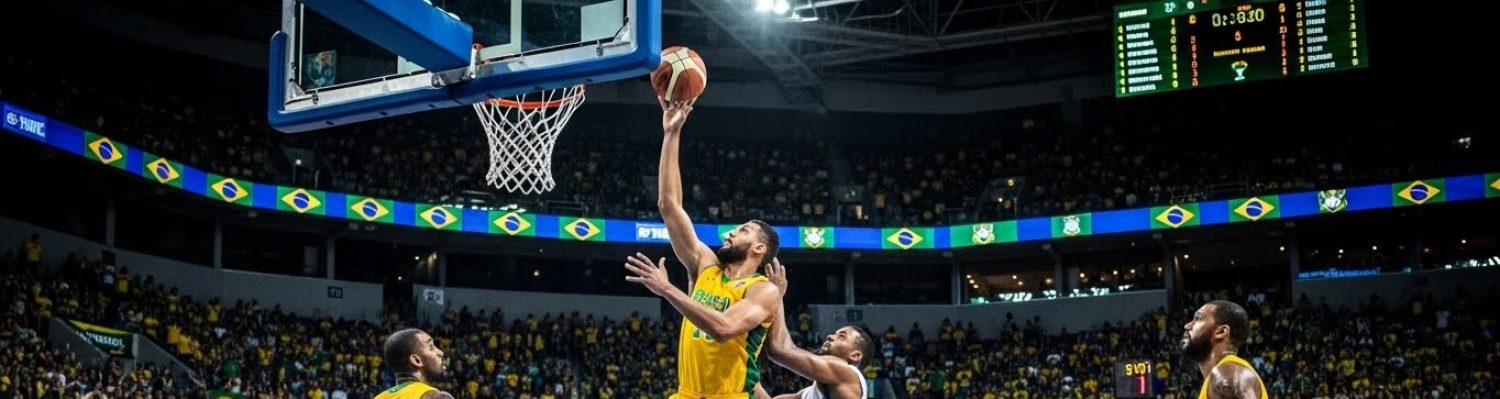
In Brazil, hope Basketball Brazil sits at a crossroads as the country weighs how to turn talent into sustainable success on the world stage. The past decade has seen a rising interest in the sport, with more gyms, youth academies, and televised games, but translating potential into consistent results remains a work in progress. A balanced view shows both progress and persistent obstacles, and it asks stakeholders to map a practical path forward rather than chase headlines alone.
At the grassroots level, coaches, volunteers, and municipal programs have quietly built a foundation that could yield future stars if aligned with professional ambitions and modern training systems. The question is not only how many players can reach the top tier but how many communities can sustain regular practice, coaching, and competition through the calendar year. The crossover between streetball culture and structured coaching is a distinctive strength that, if harnessed, can broaden the talent pool and widen the geographic footprint of the sport.
A Snapshot of Brazil’s Basketball Landscape
Brazil’s national program benefits from a deep pool of athletes who grow up playing street and school-ball, but the funnel to elite levels remains fragmented. The Novo Basquete Brasil (NBB) has grown the domestic league into a more professional product, while players routinely move abroad to leagues in Europe and beyond. National team performances at continental events offer a mixed picture: sporadic breakthroughs mixed with years of narrow defeats in tightly contested games. Observers say incremental progress is real, yet the pace must accelerate if the country wants longer runs in global tournaments. Media exposure, sponsorship dollars, and travel accessibility all influence the speed of progress across regions.
Additionally, the domestic season’s calendar and budget constraints can affect development pipelines. Even as some clubs invest in youth academies, others struggle to balance senior-team ambitions with long-term feeder programs. A growing number of former players are translating on-court knowledge into coaching roles, helping to raise the level of tactical understanding among younger cohorts, but systemic scaling remains a work in progress.
Players, Programs, and the Pipeline to Improvement
Youth development in Brazil is uneven across states and cities, with strong programs concentrated around major urban centers. Federations and clubs have started partnerships with schools and community groups to expand access, strengthen coaching, and create clearer pathways to professional opportunities. The challenge is aligning resources: funding for facilities, travel, and scouting is uneven, while competing priorities—like football—can absorb public attention and sponsorship. Still, stories of players rising from modest training spaces to international camps illustrate the potential of a more coordinated pipeline when stakeholders collaborate.
Girls and boys alike face unique barriers in some regions, but several initiatives aim to build inclusive ecosystems. The presence of female coaches, girls’ leagues, and scholarship opportunities is expanding slowly, and early evidence suggests that broader participation can yield higher overall performance at the national level in the long run. The role of schools, municipal programs, and private sponsors in funding and sustaining youth exercises is essential to turning raw talent into professional opportunity.
Institutional Support and the Road Ahead
Institutional momentum matters as much as individual talent. The Confederation (CBB), national leagues, municipal programs, and private sponsors play roles in improving coaching standards, data collection, and competitive exposure. Initiatives to standardize youth competitions, provide coaching education, and broadcast select games help raise the sport’s profile and create tangible incentives for young athletes to commit to basketball. The road ahead includes bridging gaps in infrastructure, ensuring equitable access to courts and equipment, and building a network of scouts who can identify and cultivate promising players early.
Data analytics and talent identification are increasingly discussed as practical tools. Federations that commit to tracking development, supporting regional academies with gear and coaching credentials, and offering conditional scholarships can improve retention and completion rates. In addition, partnerships with universities, sports medicine networks, and community organizations can help address injuries and provide sustainable pathways. A nuanced approach—one that balances short-term competitive demands with long-term development—will be necessary to sustain progress beyond the next season.
Actionable Takeaways
- Federations should expand coach education and coaching pipelines in underserved regions to raise the standard of play across age groups.
- Leagues and clubs must invest in local academies, affordable travel for squads, and data-driven performance tracking to convert potential into results.
- Sponsorship and broadcasters should seek long-term partnerships that fund facilities upgrades and youth development, not just marquee games.
- Schools and community centers should formalize basketball programs as part of physical education, creating clear ladders from youth leagues to the professional level.
- Talent identification programs must prioritize equitable access, ensuring girls’ and boys’ programs receive similar investment to broaden the talent pool.
Source Context
Further reading and context on Brazil’s basketball ecosystem can deepen understanding of the topics discussed above.