
How the Global Pandemic Has Impacted Basketball: A Comprehensive Review
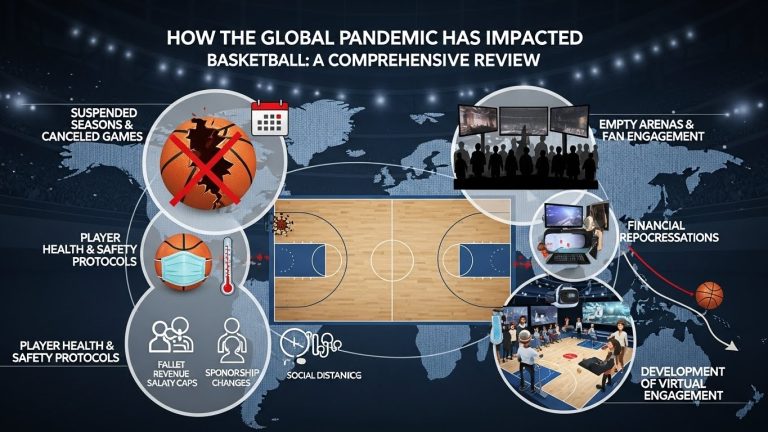
The global pandemic has left an indelible mark on numerous aspects of life, and the world of sports is no exception. Basketball, a sport with a massive international following, has experienced profound changes. From the professional leagues to grassroots levels, the pandemic has reshaped how the game is played, managed, and consumed. In this comprehensive review, we delve into the multifaceted impacts of the pandemic on basketball, exploring changes in player dynamics, league operations, fan engagement, and even the future of the sport.
The Halt of Professional Leagues
When the pandemic struck in early 2020, basketball leagues around the world faced unprecedented challenges. The NBA, one of the most prominent basketball leagues globally, suspended its season in March 2020, marking the first major disruption in its history. This halt was mirrored in other leagues, including EuroLeague and domestic competitions in countries like Spain and Italy. The immediate consequence was the disruption of schedules, leading to financial losses and logistical challenges for teams and organizers.
As leagues navigated these challenges, they had to adapt quickly. The NBA, for instance, implemented a “bubble” environment in Orlando to safely resume the 2019-2020 season. This approach, though successful in completing the season, came with its own set of challenges, including the mental and physical toll on players isolated from their families for extended periods.
Adapting to Health Protocols
Health and safety became paramount as leagues aimed to resume play. Comprehensive health protocols were introduced, including regular testing, mask mandates, and social distancing measures. These protocols were designed to protect players, staff, and all involved in the game. In some cases, teams had to play without key players due to positive COVID-19 tests, affecting competitive balance.

Moreover, the implementation of these protocols varied across countries, reflecting differences in government regulations and health infrastructure. For example, European leagues had to navigate a patchwork of national guidelines, which sometimes led to abrupt changes in league operations and scheduling.
Impact on Player Performance and Well-being
The pandemic’s impact on players extended beyond health protocols. With disrupted training schedules and condensed seasons, players faced increased risks of injuries and burnout. The lack of a regular routine, coupled with the mental strain of isolation and uncertainty, affected performance levels and overall well-being.
Players like LeBron James and Giannis Antetokounmpo openly discussed the psychological toll of playing in a bubble environment. The absence of fans, a crucial motivator for athletes, further compounded these challenges. For many players, the pandemic was not just a physical battle but a mental one, requiring resilience and adaptability.
Fan Engagement and Experience
One of the most significant changes brought about by the pandemic was the absence of fans in arenas. Basketball, a sport known for its electrifying atmosphere and passionate crowds, suddenly found itself playing in empty stadiums. This absence not only impacted players but also altered the viewing experience for fans globally.
Leagues and teams turned to technology to bridge this gap. Virtual fan experiences, enhanced broadcasting features, and digital engagement platforms became crucial in maintaining fan interest. The NBA, for example, introduced virtual fans in the Orlando bubble, providing a semblance of normalcy and engagement. Despite these efforts, the lack of in-person attendance significantly affected revenue streams derived from ticket sales and in-arena purchases.
Economic Consequences
The financial ramifications of the pandemic on basketball were extensive. With paused leagues and empty arenas, teams faced significant revenue losses. The NBA reported a substantial decrease in revenue during the 2019-2020 season, with similar impacts observed in other leagues. This financial strain led to salary cuts, renegotiated contracts, and, in some cases, job losses within organizations.
Moreover, the ripple effect of these economic challenges extended to related industries, including sports merchandising, hospitality, and broadcasting. As the sport navigates these financial hurdles, the focus has shifted towards sustainable business models and diversified revenue streams to mitigate future risks.
The Future of Basketball Post-Pandemic
Looking ahead, the pandemic has accelerated several trends that may shape the future of basketball. One such trend is the increased reliance on technology, not just for fan engagement but also for player training and performance analysis. Virtual training sessions, wearables for health monitoring, and data analytics have become integral parts of modern basketball.
Additionally, the pandemic has sparked discussions on the global calendar and scheduling of international competitions. The need for flexibility and contingency planning has become evident, with organizations like FIBA exploring innovative solutions to ensure the continuity of international events.
Grassroots and Community Impact
Beyond professional leagues, the pandemic significantly affected grassroots basketball. Local clubs and community programs faced challenges in organizing training sessions and competitions due to health restrictions. Many young athletes found themselves without access to facilities, impacting their development and passion for the game.
However, the pandemic also fostered a renewed focus on community engagement and support. Initiatives to provide virtual training, wellness resources, and community outreach became vital in keeping the spirit of basketball alive. As the world emerges from the pandemic, these grassroots efforts will play a crucial role in rebuilding and nurturing future talent.
Takeaways
The global pandemic has undeniably reshaped the landscape of basketball, presenting challenges and opportunities alike. From professional leagues to grassroots levels, the sport has had to adapt to new realities, embracing technology and innovation while maintaining its core essence. As we move forward, the lessons learned during this period will guide the future of basketball, ensuring resilience and growth in the face of adversity.
For more insights on the impact of the pandemic on sports and basketball, visit NBA, FIBA, BBC Sport, and The New York Times.
The journey of basketball through the global pandemic is a testament to the sport’s resilience and adaptability. Stakeholders at every level, from league administrators to players and fans, have demonstrated a remarkable ability to navigate uncertainty and embrace change. The lessons learned during this challenging period will undoubtedly shape the future trajectory of basketball, influencing how the game is played, consumed, and celebrated across the globe.
Embracing Innovation and Technology
One of the key takeaways from the pandemic’s impact on basketball is the role of innovation and technology in overcoming adversity. The rapid adoption of digital platforms for fan engagement, such as virtual reality experiences and interactive broadcasts, has set a precedent for how sports can evolve to meet the needs of a modern audience. These innovations have not only enriched the fan experience but have also opened new revenue streams for teams and leagues.
Furthermore, the use of technology in training and performance analysis has become more prevalent. Teams are increasingly utilizing data analytics to optimize player performance and reduce injury risks. Wearable technology and AI-driven insights are helping coaches make informed decisions, enhancing the strategic aspects of the game.
Globalization and International Competitions
The pandemic has also highlighted the interconnected nature of basketball as a global sport. With international competitions facing disruptions, there has been a renewed emphasis on collaboration between national federations and governing bodies. The coordination required to reschedule events like the Olympics and FIBA World Cup underscores the importance of global cooperation in the sporting community.
As basketball continues to grow in popularity worldwide, the experience gained during the pandemic will be instrumental in organizing future international events. Flexible scheduling, contingency plans, and enhanced communication channels will ensure that the sport can thrive in a global context, even in the face of unforeseen challenges.
The Role of Community and Social Responsibility
Another significant aspect of the pandemic’s impact on basketball is the heightened focus on community and social responsibility. Many players and organizations have used their platforms to advocate for social change, raise awareness about health issues, and support local communities affected by the pandemic. This period has reinforced the role of basketball as more than just a sport; it is a powerful tool for positive change and community building.
Initiatives aimed at providing resources for mental health, promoting inclusivity, and supporting underprivileged communities have gained momentum. As the world moves forward, the social impact of basketball is likely to become even more pronounced, with players and organizations continuing to leverage their influence for the greater good.
Building Resilience and Preparedness
The pandemic has underscored the need for resilience and preparedness in the face of unexpected challenges. For basketball, this means developing robust strategies to handle future disruptions, whether they are health-related or otherwise. Leagues and teams are now more aware of the importance of having contingency plans, diversified revenue streams, and adaptable operational models.
This newfound resilience will be crucial in ensuring the sustainability of basketball at all levels. By embracing flexibility and innovation, the sport can continue to grow and thrive, even in the face of adversity.
Conclusion: A New Era for Basketball
The global pandemic has been a transformative period for basketball, reshaping the sport in ways that were previously unimaginable. While the challenges have been significant, they have also paved the way for new opportunities and growth. As the world begins to emerge from the pandemic, basketball stands at the cusp of a new era, characterized by innovation, resilience, and a renewed commitment to community and social responsibility.
For those passionate about the sport, the future of basketball promises to be exciting and dynamic, with endless possibilities for evolution and progress. The lessons learned during this time will serve as a foundation for continued success and development, ensuring that basketball remains a beloved global pastime for generations to come.
About the Author