How the Global Pandemic Has Impacted Basketball: A Comprehensive Review
The global pandemic that began in 2020 has had profound effects on numerous industries worldwide, and the realm of sports, particularly basketball, is no exception. From the NBA to grassroots leagues, the pandemic’s impact has been far-reaching, affecting everything from game schedules to player health, fan engagement, and financial viability. This article delves into the various ways the pandemic has reshaped the basketball landscape, offering a thorough examination of the challenges and changes faced by the sport.
Immediate Disruptions and Game Suspensions
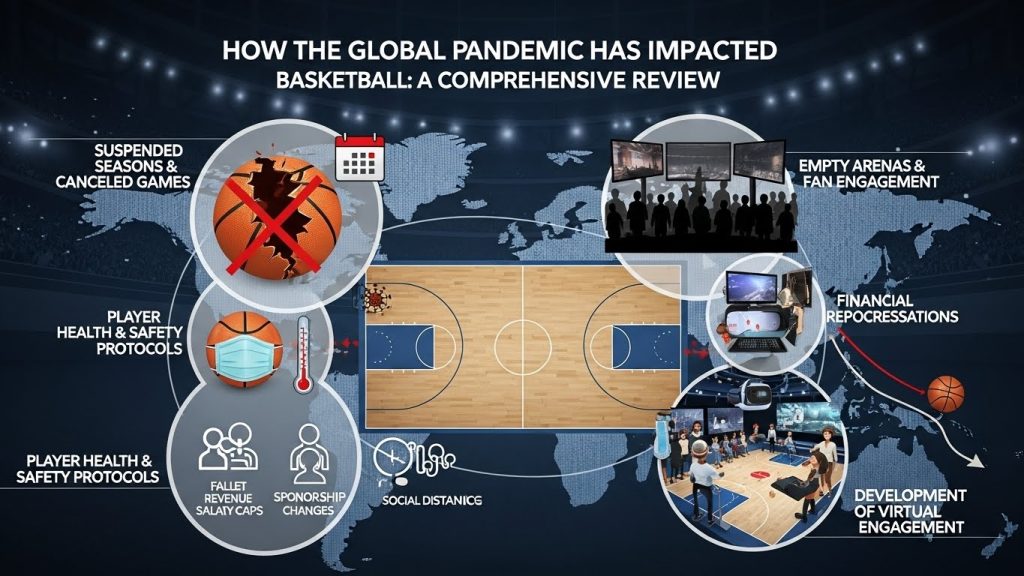
When COVID-19 first emerged, the immediate reaction within the basketball community was to suspend games and seasons. The NBA was among the first major sports leagues to pause its season in March 2020 after Utah Jazz player Rudy Gobert tested positive for the virus. This pivotal moment highlighted the seriousness of the pandemic and set a precedent for other leagues around the world.
The suspension of games had a ripple effect, impacting everything from television contracts to the livelihoods of arena workers. The halt in play also disrupted the momentum of teams and players, many of whom were in the thick of playoff races or developing their skills. For fans, the absence of live sports created a void and underscored the role of basketball as a form of community and entertainment.
The Bubble Concept: An Innovative Solution

In response to the challenges posed by the pandemic, the NBA introduced the “bubble” concept in July 2020, hosting games in a controlled environment at the ESPN Wide World of Sports Complex in Orlando, Florida. This innovative solution allowed the league to complete its season while minimizing the risk of COVID-19 transmission. The bubble was not only a logistical success but also served as a model for other sports leagues worldwide.
The bubble environment, with its strict health protocols and lack of travel, created unique circumstances for players. Some thrived in this setting, while others struggled with the isolation and absence of fans. The bubble also led to an increase in game intensity and unpredictability, as the controlled environment leveled the playing field to some extent, removing typical home-court advantages.
Impact on Players and Coaches
The pandemic has had significant effects on the mental and physical health of players and coaches. The isolation associated with quarantine and the continuous testing protocols took a toll on the mental well-being of many involved in the sport. Players like Kevin Love and DeMar DeRozan have been vocal about the importance of mental health, shedding light on the pressures faced by athletes during these uncertain times.
Physically, the disruption of routines and the condensed schedule of seasons post-pandemic have led to an increase in injuries. The lack of adequate rest and recovery time has been a concern for athletes, as noted in a study on athlete health. Coaches have also had to adapt their strategies, often dealing with incomplete rosters and players unable to perform at their peak due to lingering effects of the virus.
Fan Engagement and Digital Innovation
With games played in empty arenas, teams had to find new ways to engage with fans. The pandemic accelerated the shift towards digital platforms, with many leagues expanding their online presence to maintain fan interest. Virtual fan experiences, enhanced social media interactions, and live-streamed games became essential tools for keeping the basketball community connected.
Companies like the Nielsen Corporation have reported increases in sports viewership on digital platforms, highlighting the change in consumption patterns among fans. The pandemic has forced basketball organizations to innovate rapidly, a trend that is likely to continue even as live attendance resumes.
Financial Repercussions
The financial impact of the pandemic on basketball has been substantial. With the suspension of games and the absence of fans in arenas, teams have faced significant revenue losses. Ticket sales, merchandise, and concessions, which form a major part of a team’s income, were severely affected.
To mitigate these financial challenges, many leagues have renegotiated television and sponsorship deals. The NBA, for instance, expanded its partnerships with digital platforms to enhance its global reach. The financial landscape of basketball is likely to see continued adaptation, as teams seek to recover from the economic fallout of the pandemic.
The Future of Basketball Post-Pandemic
As the world gradually emerges from the pandemic, the future of basketball is poised for transformation. The changes adopted during the pandemic, such as a greater emphasis on digital engagement and player health, are likely to persist. Leagues are expected to continue innovating, leveraging technology to enhance both the fan experience and the safety of players.
The pandemic has also prompted a reevaluation of global basketball operations, with a potential increase in international collaboration and competition. The resilience of the sport during these challenging times has demonstrated its enduring appeal and adaptability, ensuring that basketball will continue to thrive in a post-pandemic world.
Takeaways
The global pandemic has undeniably altered the landscape of basketball. From immediate disruptions to long-term transformations, the sport has faced numerous challenges but has also shown remarkable resilience. The lessons learned during this period will likely shape the future of basketball, driving innovation and change across all levels of the game.
As leagues and players adapt to this new normal, the passion for basketball remains undiminished. Fans, players, and organizations alike have shown their commitment to the sport, ensuring its continued growth and evolution in the years to come. For more insights on the recovery and future prospects of global sports, visit FIBA.
The impact of the global pandemic on basketball has been multifaceted, influencing not only the professional leagues but also trickling down to youth and amateur levels. This comprehensive review highlights the adaptive strategies and innovations that have emerged as a result of these unprecedented times.
Grassroots and Youth Basketball Challenges
The pandemic’s impact on grassroots and youth basketball cannot be overstated. With schools closed and local leagues suspended, young athletes faced significant disruptions to their training and development. Many aspiring players lost critical exposure opportunities, such as tournaments and camps, crucial for their progression and potential recruitment.
In response, some organizations pivoted to virtual training sessions and personal skill development programs. Coaches utilized online platforms to provide guidance and maintain a sense of community among players. However, the lack of in-person competition and team dynamics posed challenges that are difficult to replicate virtually.
Long-Term Health Protocols
The pandemic has ushered in a new era of health and safety protocols within basketball. Regular testing, vaccination policies, and contact tracing have become integral components of league operations. These measures, while initially met with resistance, have proven essential in maintaining player health and minimizing disruptions to the season.
Looking ahead, it is likely that some of these protocols will remain in place, particularly as new variants of COVID-19 emerge. The emphasis on health and safety is expected to continue shaping the policies of basketball organizations, ensuring they are better prepared for any future health crises.
Community Engagement and Social Responsibility
During the pandemic, basketball organizations and players have also stepped up their efforts in community engagement and social responsibility. Many teams and athletes have used their platforms to advocate for public health measures and support local communities affected by the pandemic. Initiatives such as food drives, fundraising for healthcare workers, and promoting vaccination have underscored the sport’s role in society beyond the court.
These efforts have strengthened the bond between basketball entities and their communities, reinforcing the sport’s integral role in societal well-being. This trend of increased social responsibility is expected to persist, as players and organizations continue to leverage their influence for positive change.
International Basketball and Global Competitions
The pandemic has also affected international basketball events, including the Olympics and FIBA tournaments. Travel restrictions and health concerns led to the postponement or cancellation of several competitions, affecting the global basketball calendar. The Tokyo 2020 Olympics, held in 2021, was a testament to the resilience of international sports, showcasing athletes’ determination to compete despite the challenges.
As international competitions resume, there is a renewed focus on safety and coordination among global basketball bodies. The pandemic has highlighted the importance of collaboration in navigating global sports challenges, setting the stage for more unified approaches in the future.
Technological Integration and the Future of Broadcasting
The shift towards digital platforms during the pandemic has accelerated technological integration in basketball. Innovations such as virtual reality experiences, enhanced analytics, and interactive broadcasts are becoming more prevalent, offering fans a richer and more immersive experience.
These technological advancements are not only enhancing fan engagement but also providing teams with valuable insights into performance and strategy. As the demand for innovative viewing experiences grows, the integration of technology in basketball is expected to continue evolving, offering new opportunities for both entertainment and analysis.
Takeaways
The global pandemic has undeniably reshaped the basketball landscape, presenting both challenges and opportunities for growth and innovation. From immediate disruptions to long-term transformations, the sport has shown remarkable resilience and adaptability. As basketball moves forward, the lessons learned during this period will continue to influence its evolution, ensuring the sport remains vibrant and relevant in a post-pandemic world.
For further insights into how sports are adapting to the changing global landscape, explore resources from the International Platform on Sport and Development. The future of basketball, like many sports, will undoubtedly be shaped by these ongoing changes, as the sport continues to captivate audiences and inspire new generations of athletes worldwide.
About the Author