The Evolution of Basketball: Key Trends and Changes in the Last Decade
Basketball, a sport that has captured the imagination of fans worldwide, continues to evolve, adapting to new trends and changes. Over the last decade, the game has undergone significant transformations, not only in terms of how it is played but also in aspects such as technology, player development, and fan engagement. This article explores the key trends and changes that have shaped basketball over the past ten years, offering insights into the future direction of this dynamic sport.
1. The Rise of the Three-Point Shot
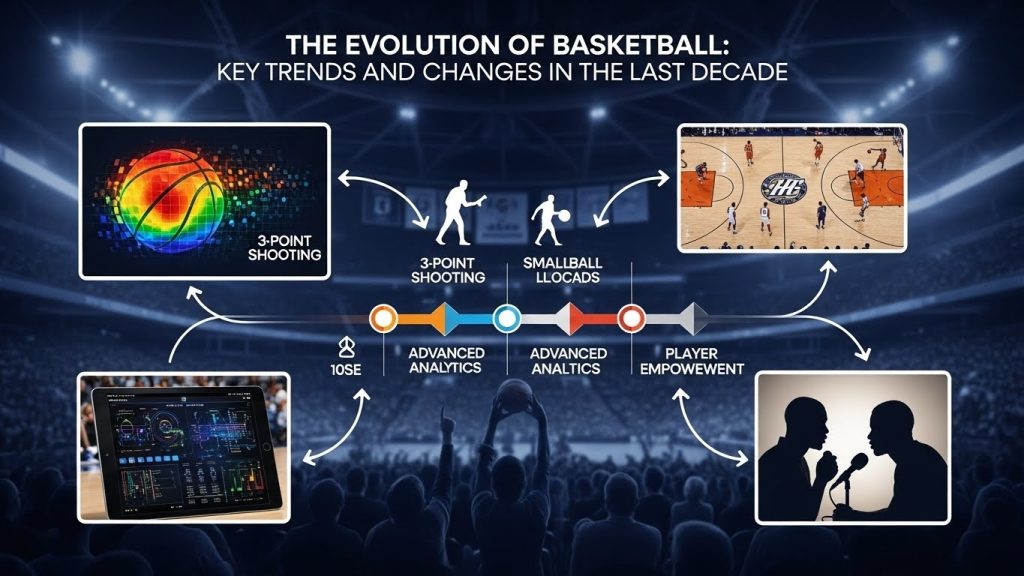
One of the most notable trends in basketball over the last decade is the increasing emphasis on the three-point shot. The NBA has seen a dramatic rise in the number of three-point attempts per game. Teams have embraced the analytics-driven approach that highlights the efficiency of three-point shooting compared to mid-range shots.
Players like Stephen Curry and Klay Thompson have revolutionized the game with their exceptional shooting abilities, inspiring a new generation of players to develop long-range shooting skills. This shift has not only changed offensive strategies but also affected defensive schemes, forcing teams to develop perimeter defenders capable of contesting shots beyond the arc.
2. Small-Ball Lineups and Positionless Basketball
The concept of positionless basketball has gained traction, with teams opting for more versatile lineups that emphasize speed and agility over traditional positions. Small-ball lineups, characterized by the use of smaller, more agile players, have become popular as teams seek to exploit mismatches and increase the pace of the game.

This trend has been exemplified by teams like the Golden State Warriors, who successfully employed small-ball tactics to win championships. The shift towards positionless basketball allows players to develop a diverse skill set, enabling them to contribute in multiple areas on the court.
3. Advances in Sports Science and Player Development
In recent years, advances in sports science and technology have significantly impacted player development and performance. Teams now have access to sophisticated data analytics and wearable technology that monitor player health, fitness, and performance metrics. This information allows coaches and trainers to make informed decisions on player workload, injury prevention, and recovery strategies.
The result has been a longer average career span for players and an increase in overall performance levels. Organizations like the ESPN provide in-depth coverage of how these technological advancements are shaping the future of sports, including basketball.
4. Globalization and the International Influence
Basketball’s global reach has expanded significantly over the past decade, with international players playing a crucial role in the evolution of the game. The international influence is evident in the diverse playing styles and skills that these players bring to the league.
Stars like Giannis Antetokounmpo, Luka Dončić, and Nikola Jokić have not only excelled in the NBA but have also brought a unique flair and creativity to the game. The impact of international basketball leagues and competitions has contributed to the sport’s growth, fostering a global fan base that continues to expand.
5. Social Media and Fan Engagement
Social media platforms have transformed the way fans interact with the sport, players, and teams. The instant access to highlights, behind-the-scenes content, and live updates has increased fan engagement, allowing a more personal connection with their favorite players and teams.
Platforms like Twitter, Instagram, and TikTok have become essential tools for marketing and fan outreach, enabling teams to build loyal fan bases and engage with audiences worldwide. The ability to reach fans directly has also given players a platform to voice their opinions and advocate for social issues, further deepening the connection with their followers.
6. The Impact of the COVID-19 Pandemic
The COVID-19 pandemic had a profound impact on basketball, leading to significant changes in how the sport is played and consumed. The suspension of games and the subsequent creation of the NBA Bubble were unprecedented measures that highlighted the league’s adaptability in the face of adversity.
The pandemic accelerated the adoption of new technologies, such as virtual fan experiences and digital ticketing, ensuring that fans remained engaged despite physical restrictions. The resilience of the sport during this challenging period demonstrated the importance of innovation and adaptability in maintaining the sport’s relevance.
7. The Future of Basketball
As basketball continues to evolve, several trends suggest the direction the sport is heading. The integration of technology, both on and off the court, will likely continue to grow, enhancing player performance and fan experiences. The emphasis on analytics and data-driven decision-making will shape team strategies and player development programs.
Moreover, the sport’s global expansion is expected to continue, with the NBA and other leagues investing in international markets to tap into new fan bases. The ongoing focus on player health and wellness will also play a crucial role in ensuring the longevity and success of athletes.
Takeaways
Basketball has undergone tremendous changes over the past decade, driven by advancements in technology, shifts in playing styles, and the globalization of the sport. The rise of the three-point shot, the emergence of small-ball lineups, and the influence of international players have all contributed to the evolution of the game.
As the sport continues to grow, fans can expect further innovations and trends that will shape the future of basketball. By embracing these changes, the game will not only maintain its popularity but also reach new heights, captivating audiences worldwide. For more insights into basketball’s evolution, resources like Basketball Reference and FIBA provide comprehensive coverage and analysis.
One area where basketball is poised to see significant advancement is in the realm of augmented reality (AR) and virtual reality (VR). These technologies have the potential to revolutionize how fans experience the game, offering immersive viewing experiences that bring fans closer to the action than ever before. Imagine being able to watch a game from the perspective of your favorite player or experiencing a courtside view from the comfort of your home. This type of innovation could transform fan engagement and redefine what it means to watch a basketball game.
Moreover, the ongoing evolution of basketball is likely to be influenced by the growing emphasis on sustainability and social responsibility. Teams and leagues are increasingly aware of their environmental impact and are taking steps to reduce their carbon footprint. Initiatives such as sustainable arena designs, eco-friendly merchandise, and community outreach programs are becoming integral parts of the basketball ecosystem. This focus on sustainability not only benefits the environment but also resonates with fans who prioritize social responsibility.
In terms of player development, the future may see a greater emphasis on mental health and psychological well-being. As the demands of professional sports increase, so too does the need to ensure that athletes are supported mentally and emotionally. Teams are likely to invest more resources into providing mental health services and creating environments that promote psychological wellness. This holistic approach to player development recognizes that mental health is as crucial as physical health in an athlete’s performance and overall quality of life.
Another trend to watch is the influence of artificial intelligence (AI) in basketball. AI has the potential to revolutionize everything from game strategy to player scouting. Advanced algorithms can analyze vast amounts of data to provide insights into player tendencies, opponent strategies, and optimal lineups. This data-driven approach can give teams a competitive edge, allowing them to make smarter decisions both on and off the court.
AI’s role in basketball isn’t limited to strategy; it also extends to fan engagement and content personalization. AI can help tailor content to individual fan preferences, offering personalized highlights, stats, and news that cater to each fan’s interests. This level of personalization can enhance the fan experience, making it more engaging and satisfying.
Finally, as we look to the future, it’s important to recognize the continued impact of grassroots basketball programs and youth development initiatives. Programs that nurture young talent and provide opportunities for aspiring players are crucial for the sport’s growth. Investments in these areas ensure that basketball remains accessible and inclusive, paving the way for the next generation of stars.
In conclusion, the evolution of basketball over the past decade has been marked by exciting trends and transformative changes. As the sport continues to grow and innovate, it remains a dynamic and captivating spectacle that resonates with fans around the world. By embracing new technologies, prioritizing sustainability, and fostering player development, basketball is well-positioned to thrive in the years to come. For those interested in exploring more about these developments, resources like Sports Illustrated offer in-depth articles and features on the latest in basketball evolution.
About the Author