The Evolution of the NBA: How the Game Has Changed Over the Decades
The National Basketball Association (NBA) has undergone significant transformations since its inception in 1946. Over the decades, the league has evolved in terms of style of play, rules, player profiles, and global influence. Understanding these changes provides insight into why the NBA is one of the most popular sports leagues worldwide today. From the gritty, physical play of the past to the fast-paced, three-point-focused game of today, the NBA’s journey is a reflection of broader cultural shifts and advancements in sports science.
Origins and Early Years: 1940s-1960s
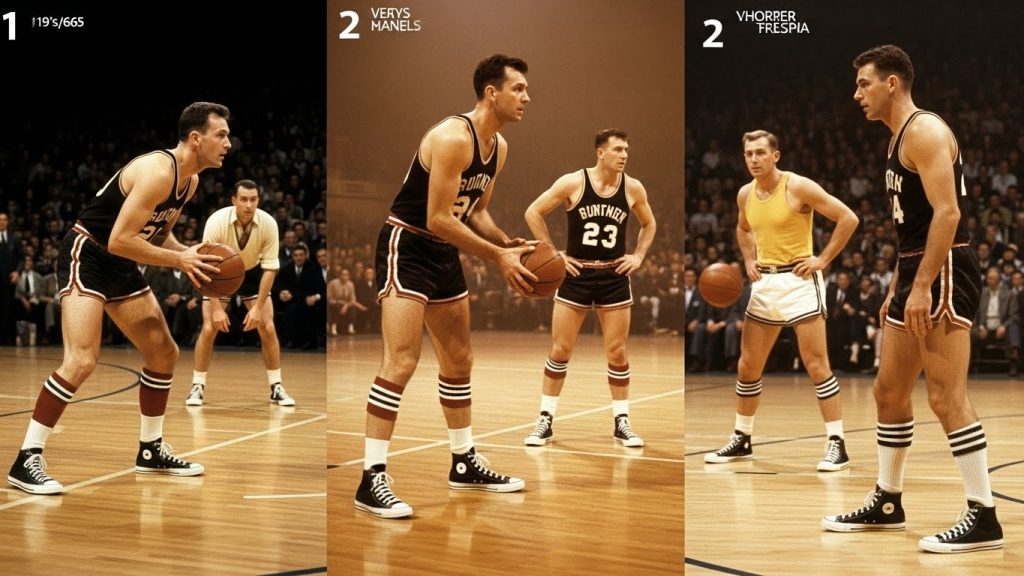
The NBA was founded in 1946 as the Basketball Association of America (BAA) before merging with the National Basketball League (NBL) in 1949 to become the NBA. In the early years, the league was characterized by a much slower pace of play compared to modern standards. The centers and forwards dominated the game, with a strong emphasis on inside scoring and defense.
During this time, teams often relied on basic offensive strategies that prioritized post plays. The advent of the 24-second shot clock in 1954 was a pivotal moment. It was introduced to prevent teams from stalling and to encourage a faster-paced game, leading to increased scoring and excitement. This move was instrumental in shaping the future dynamics of the league.
The Rise of the Big Men: 1970s-1980s

The 1970s and 1980s were dominated by towering centers like Kareem Abdul-Jabbar, Wilt Chamberlain, and Bill Russell. These players revolutionized the game with their physical dominance and skill. Kareem’s skyhook became one of the most unstoppable moves in basketball history. The era also saw the rivalry between the Boston Celtics and the Los Angeles Lakers, which was pivotal in boosting the NBA’s popularity.
The 1980s also introduced a significant change in the league with the arrival of Magic Johnson and Larry Bird. Their contrasting styles and intense rivalry not only improved the quality of play but also drew vast audiences to the sport. Magic’s fast breaks and Bird’s shooting prowess highlighted a shift towards more dynamic and versatile styles of play.
The Jordan Era: 1990s
The 1990s are often referred to as the “Jordan Era” due to Michael Jordan’s incredible influence on the game. Jordan’s Chicago Bulls won six NBA championships during the decade, and his athleticism and competitive spirit captivated fans worldwide. His ability to score, defend, and lead made him a global icon and helped popularize the NBA internationally.
This era also saw the implementation of the hand-checking rule, which made it more difficult for defenders to impede offensive players with their hands. This rule change emphasized skill and speed over physicality, setting the stage for the modern game’s offensive explosion. Additionally, the 1998-99 NBA lockout was a watershed moment, highlighting the economic challenges and labor disputes within the league.
The Global Expansion: 2000s

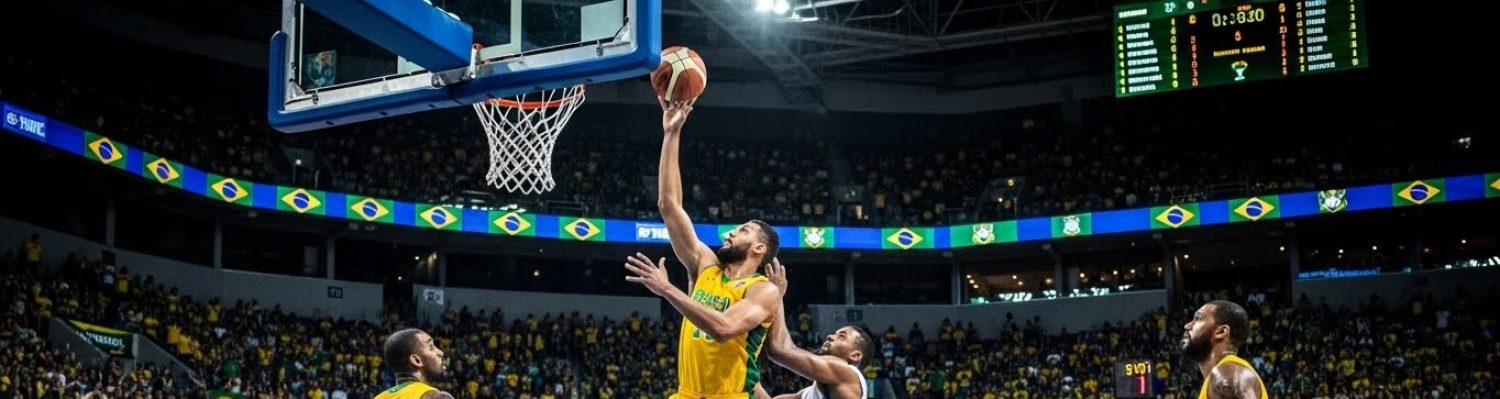
The 2000s marked a period of global expansion for the NBA. The league saw an influx of international talent, which diversified and enriched the style of play. Players like Dirk Nowitzki, Pau Gasol, and Yao Ming became household names and helped cement basketball as a global sport. The NBA’s commitment to international markets was evident in its hosting of exhibition games worldwide and the establishment of NBA China in 2008.
On the court, the game continued to evolve. The dominance of the three-point shot began to emerge, thanks partly to the success of teams like the San Antonio Spurs, who showcased a team-oriented style of play that emphasized ball movement and perimeter shooting. The rise of analytics in basketball during this decade also began to influence coaching strategies and player development.
The Modern NBA: 2010s to Present
The modern NBA is defined by a rapid pace and an emphasis on three-point shooting. The Golden State Warriors, led by Stephen Curry and Klay Thompson, exemplified this trend, winning multiple championships with their “small-ball” lineup that prioritized speed and shooting over traditional size and strength. This new style of play has led to a dramatic increase in scoring, changing the way teams build their rosters and approach games.
The league has also embraced technology and analytics more than ever before. Teams use advanced statistics to analyze player performance and make data-driven decisions. Additionally, the NBA has expanded its digital footprint, engaging fans through social media and streaming services, further solidifying its global reach.

Off the court, the league has taken active roles in social justice initiatives, with players using their platforms to advocate for change. The NBA’s response to the Black Lives Matter movement and its efforts to promote voter registration are examples of its evolving role in societal issues.
Conclusion: The Future of the NBA
The NBA’s evolution is a testament to its adaptability and commitment to innovation. As the league continues to grow, the game is likely to keep evolving, with emerging technologies and new training methods potentially leading to even more exciting developments on and off the court. The integration of virtual reality and augmented reality experiences may soon redefine fan engagement, while advancements in sports science could further enhance player performance and longevity.
Ultimately, the NBA’s ability to embrace change while maintaining the essence of the sport is what makes it a dynamic and enduring institution. As it looks to the future, the NBA will likely continue to set the standard for professional sports leagues worldwide.
Technological Innovations and Their Impact
The embrace of technology has been one of the most significant changes in the NBA in recent years. From advanced player tracking systems to virtual reality, technology is reshaping how the game is played, coached, and consumed by fans. Player tracking technology, for instance, provides teams with detailed data on player movements, shot trajectories, and defensive positioning. This data is invaluable for coaches and players aiming to gain a competitive edge.

Moreover, the introduction of wearable technology has allowed teams to monitor players’ physical conditions in real-time. This has led to more personalized training regimens and injury prevention strategies, ensuring that athletes can maintain peak performance throughout the grueling NBA season. The league’s investment in technology also extends to fan engagement, with augmented reality apps and virtual reality experiences offering new ways for fans to interact with their favorite teams and players.
Changing Dynamics of Player Movement
Player movement has become a focal point in the modern NBA. Free agency and player empowerment have allowed athletes to have more control over their careers than ever before. This shift has led to the creation of “super teams,” where star players join forces to compete for championships. The impact of LeBron James’ decision to join the Miami Heat in 2010 is a prime example, ushering in a new era of player-led team formations.
This trend has also increased the importance of front office management and salary cap strategies. Teams must carefully navigate the complexities of contract negotiations and roster construction to remain competitive. The introduction of two-way contracts and the G League as a developmental platform has further diversified the pathways for players to enter and succeed in the NBA.
Social and Cultural Influence
The NBA’s influence extends beyond the court, with its players often serving as cultural icons and influencers. The league has consistently been at the forefront of addressing social issues, with notable initiatives aimed at promoting equality, diversity, and inclusion. NBA players have a long history of activism, using their platforms to speak out on important issues, from civil rights to mental health awareness.
In recent years, the NBA has supported initiatives such as the “NBA Voices” program, which encourages dialogue around social justice and equality. The league’s commitment to these causes has helped foster a positive image and attract a diverse fan base. Additionally, the NBA’s influence in fashion, music, and entertainment has contributed to its status as a cultural powerhouse.
The Role of Globalization in NBA Growth
Globalization has played a crucial role in the NBA’s expansion and success. The league has actively pursued international markets, hosting games and events across the globe to engage with fans outside North America. The NBA’s global strategy includes partnerships with international media companies and the establishment of basketball academies in various countries to nurture young talent.
The presence of international stars like Giannis Antetokounmpo and Luka Dončić in the league highlights the impact of globalization on the NBA’s talent pool. These players bring diverse styles and skills to the game, enriching the overall quality and appeal of the league. The NBA’s commitment to global growth is also evident in its digital strategy, which leverages social media platforms and streaming services to reach international audiences.
Conclusion: A Dynamic Future Ahead
As the NBA continues to evolve, its future looks bright with endless possibilities. The league’s ability to adapt to changing dynamics, embrace technological advancements, and address social issues positions it as a leader in the world of professional sports. The NBA’s commitment to innovation and inclusivity ensures that it will remain relevant and influential in the years to come.
The ongoing globalization of the sport, coupled with the integration of cutting-edge technology, promises to offer fans an even more immersive and engaging experience. As the NBA looks to the future, it will undoubtedly continue to inspire and captivate audiences worldwide, solidifying its place as a cornerstone of sports and culture.
About the Author