The Evolution of the NBA: How the Game Has Changed Over the Decades
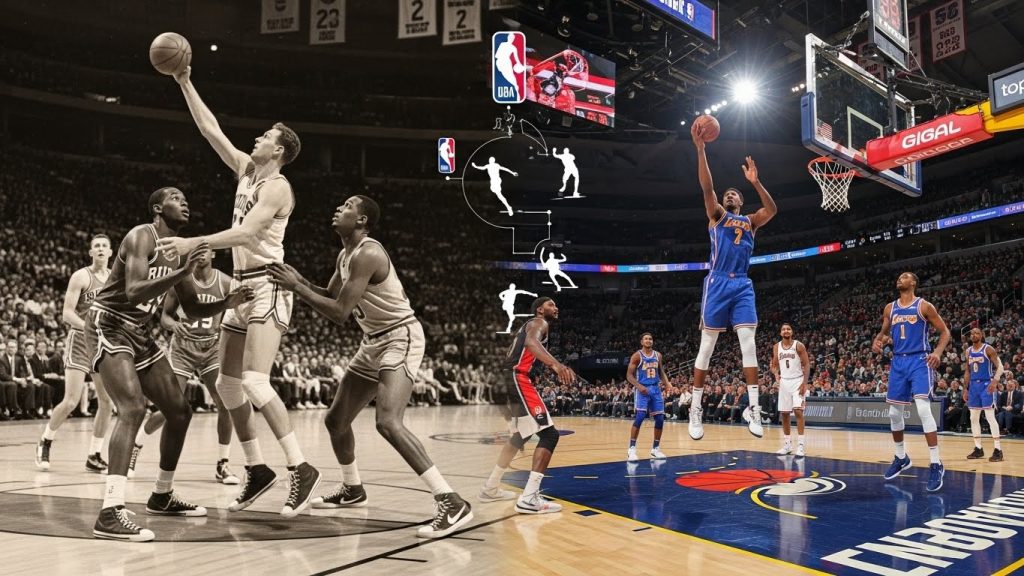
The National Basketball Association (NBA) has experienced significant transformations since its inception in 1946. From rule changes and technological advancements to shifts in playing styles and cultural impact, the league has continually evolved, reflecting broader trends in society and sports. This article explores the dynamic journey of the NBA, highlighting key changes that have shaped the game over the decades.
A Brief History of the NBA’s Beginnings
The NBA was founded in New York City as the Basketball Association of America (BAA) in 1946. It merged with the National Basketball League (NBL) in 1949 to form the NBA. In its early years, the league struggled with low attendance and financial instability. However, the introduction of stars like George Mikan and the Minneapolis Lakers’ dominance helped the league gain traction.
During the 1950s and 1960s, teams like the Boston Celtics emerged as powerhouses, with Bill Russell leading them to multiple championships. This era set the foundation for the modern NBA, establishing it as a major professional sports league in the United States.
Rule Changes That Shaped the Game
One of the most significant ways the NBA has evolved is through rule changes designed to enhance gameplay and audience engagement. In the 1954-55 season, the introduction of the 24-second shot clock revolutionized the game. It forced teams to shoot within 24 seconds, increasing the pace of play and making games more exciting for fans.

The three-point line, introduced in the 1979-80 season, was another pivotal change. It opened up the floor, encouraged perimeter shooting, and allowed for greater offensive diversity. Today, the three-point shot is a critical component of NBA players’ skill sets, with players like Stephen Curry redefining its use.
Additionally, defensive rules have evolved significantly. The hand-checking rule, implemented in the 2004-05 season, restricted defenders from using their hands to impede offensive players, leading to higher scoring games and more freedom of movement for players.
Technological Advancements and Their Impact
Technological advancements have played a crucial role in the NBA’s evolution. The advent of television broadcasting in the 1960s brought the game to a national audience, increasing its popularity and paving the way for lucrative broadcasting deals. The introduction of instant replay in the 2002-03 season improved officiating accuracy and fairness.
More recently, the NBA has embraced digital technology and analytics. Teams now use data-driven strategies to analyze player performance and game tactics. Innovations like the SportVU tracking system provide detailed information on player movements and game dynamics, offering insights that were previously inaccessible.
Evolution of Playing Styles
Playing styles in the NBA have evolved dramatically over the decades. In the league’s early years, the game was dominated by big men, with a focus on inside scoring and rebounding. However, as rules and strategies evolved, so did the style of play.
In the 1980s and 1990s, the game saw a rise in perimeter play and fast-paced offenses. The Showtime Lakers, led by Magic Johnson, exemplified this shift with their fast breaks and dynamic playmaking. The Chicago Bulls, under Michael Jordan, combined athleticism and skill, setting new standards for guard play.
Today, the NBA is characterized by a positionless style of play. Players like LeBron James and Giannis Antetokounmpo have redefined traditional positions, excelling in multiple areas of the game. The emphasis on three-point shooting and versatile skill sets reflects broader trends in basketball, with an increased focus on speed, agility, and shooting ability.

The NBA’s Cultural and Global Impact
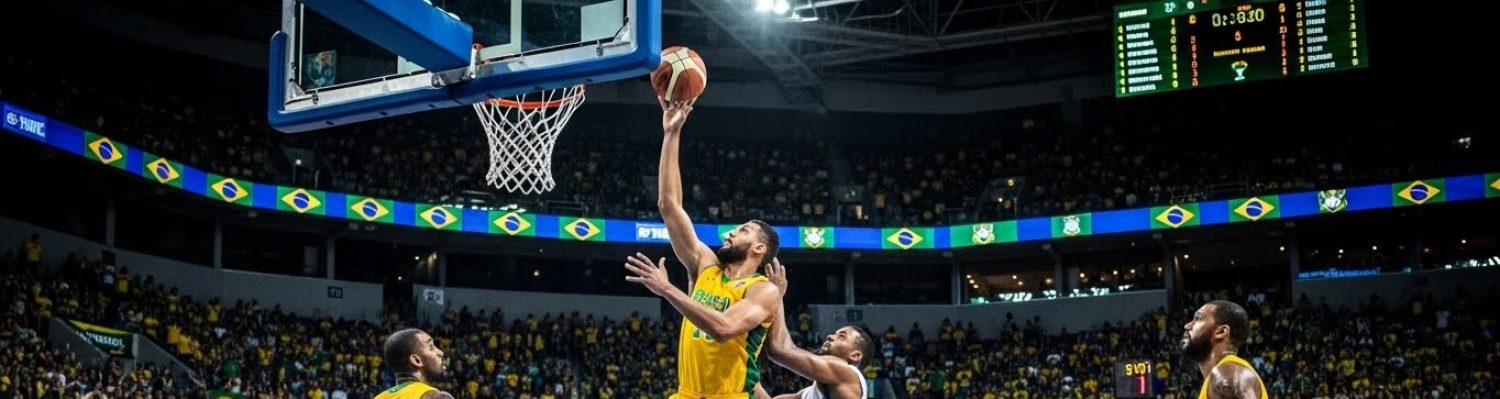
The NBA’s evolution is not solely confined to the court. The league has become a cultural phenomenon, influencing fashion, music, and global sports culture. The 1992 Dream Team, featuring NBA stars like Michael Jordan and Larry Bird, helped popularize basketball worldwide, leading to an influx of international talent in the league.
Today, the NBA boasts a diverse roster of players from around the globe, with stars like Luka Dončić and Giannis Antetokounmpo becoming household names. The league’s international reach has expanded its fan base, with games broadcast in over 200 countries.
The NBA’s influence extends beyond sports, with players actively participating in social justice initiatives and community projects. The league’s commitment to social issues reflects its role as a platform for change and a voice for athletes worldwide.
The Future of the NBA
As the NBA continues to evolve, several trends are likely to shape its future. The integration of advanced analytics and technology will continue to influence team strategies and player development. The league’s commitment to diversity and inclusion will also play a critical role, ensuring that basketball remains accessible and representative of its global audience.
Moreover, the NBA’s engagement with fans through digital platforms will enhance the viewing experience, offering new ways for fans to interact with the game. The league’s focus on sustainability and social responsibility will further solidify its position as a leader in the sports industry.
Takeaways

The NBA’s evolution over the decades is a testament to its adaptability and enduring appeal. From rule changes and playing styles to technological advancements and cultural impact, the league has continually reinvented itself to meet the demands of a changing world. As the NBA looks to the future, it remains committed to innovation and excellence, ensuring that basketball continues to captivate audiences around the globe.
For more information on the ongoing developments in the NBA, consider visiting ESPN’s NBA section and NBA’s official statistics website for the latest updates and insights.
Player Health and Longevity
One of the most significant areas of focus for the NBA moving forward is player health and longevity. The league has introduced several measures to ensure its athletes remain in peak condition throughout the grueling 82-game regular season and playoffs. Load management, a strategy used to rest players in select games, has become a topic of debate as teams prioritize long-term health over short-term gains.
Advancements in sports medicine and nutrition have also played a critical role. Teams now employ specialized staff to monitor players’ physical and mental health, using data and technology to tailor training and recovery programs. This holistic approach aims to extend players’ careers and improve their quality of life post-retirement.
Impact of the COVID-19 Pandemic
The COVID-19 pandemic posed unprecedented challenges for the NBA, forcing the league to adapt quickly. The 2019-20 season was suspended, and the NBA introduced the “bubble” concept in Orlando, Florida, to safely conclude the season. This innovative solution demonstrated the league’s commitment to player safety and its ability to adapt under pressure.

The pandemic also accelerated the NBA’s digital transformation, with virtual fan experiences and online content becoming more prominent. The league’s successful navigation of these challenges has set a precedent for handling future disruptions, emphasizing flexibility and resilience.
Advancements in Broadcast and Fan Engagement
The way fans consume NBA content has evolved significantly, with technological advancements enhancing the viewing experience. High-definition broadcasts, virtual reality, and augmented reality offer immersive experiences, bringing fans closer to the action. The NBA’s partnership with social media platforms and streaming services has broadened its reach, attracting a younger, tech-savvy audience.
Interactive features, such as real-time statistics and multi-angle replays, engage fans in new ways, creating a more personalized experience. The rise of fantasy basketball and eSports has also contributed to the NBA’s growing popularity, offering fans diverse ways to connect with the game.
Social Media and the NBA
Social media has revolutionized how fans interact with the NBA and its players. Platforms like Twitter, Instagram, and TikTok provide athletes with a direct channel to communicate with fans, share personal insights, and promote their brands. This engagement has humanized players, making them more accessible and relatable to fans worldwide.
The NBA itself uses social media to highlight game highlights, behind-the-scenes content, and engage with its global audience. The league’s proactive use of digital platforms has cemented its position as a leader in sports marketing and fan engagement.
The Role of Women in the NBA
The NBA’s commitment to diversity includes increasing the visibility and influence of women within the league. More women are taking on prominent roles in coaching, officiating, and executive positions. Trailblazers like Becky Hammon, an assistant coach for the San Antonio Spurs, have paved the way for future generations of women in basketball.
The NBA’s support for the Women’s National Basketball Association (WNBA) further highlights its dedication to gender equality. Collaborative efforts between the two leagues promote the growth of women’s basketball and inspire young athletes around the world.
The NBA’s Environmental and Social Responsibility
The NBA’s influence extends beyond sports, with the league actively engaging in environmental and social responsibility initiatives. The NBA Green program focuses on sustainability efforts within its arenas and events, promoting eco-friendly practices and raising awareness about environmental issues.
The NBA Foundation, launched in 2020, aims to create economic opportunities for Black communities, addressing social injustices and promoting equality. Through these initiatives, the NBA leverages its platform to drive positive change and inspire others to contribute to a better world.
Conclusion: The Ever-Evolving Game
The NBA’s evolution is a reflection of its ability to adapt and innovate in a rapidly changing world. From its early days to its current status as a global phenomenon, the league has continually pushed the boundaries of what basketball can be. As the NBA embraces new challenges and opportunities, it remains committed to providing thrilling entertainment for fans and serving as a catalyst for social change.
The future of the NBA looks bright, with exciting young talent, technological advancements, and a dedication to inclusivity and sustainability. For those eager to stay informed on the latest NBA developments, resources such as Sports Illustrated’s NBA coverage and The Athletic’s in-depth analysis offer comprehensive insights and updates.
As the game continues to evolve, the NBA’s legacy as a pioneer in sports and culture remains steadfast, inspiring generations of fans and athletes worldwide.
About the Author