
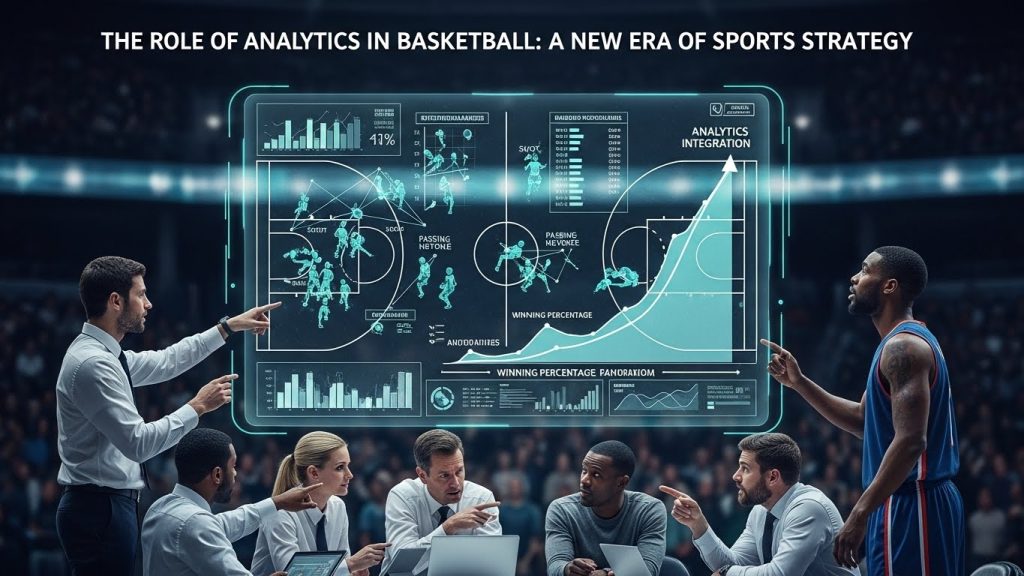
The Role of Analytics in Basketball: A New Era of Sports Strategy
In recent years, the world of basketball has witnessed a transformative shift in strategy and decision-making, driven by the rise of analytics. While traditional methods of evaluating player performance and game strategy relied heavily on subjective measures and expert intuition, the integration of data analytics has ushered in a new era, providing teams with precise insights and a competitive edge. This article explores the pivotal role of analytics in basketball, highlighting its impact on game strategy, player performance, and the future of the sport.
The Evolution of Analytics in Basketball
The use of analytics in basketball is not entirely new; however, its rapid evolution and adoption in the last decade have been remarkable. The inception of basketball analytics can be traced back to the early 2000s, when teams began to realize the potential of data in enhancing performance. The NBA’s official statistics platform, launched in 2013, marked a significant milestone, providing teams and fans with comprehensive data on every aspect of the game.
Initially, analytics focused on basic metrics such as points, rebounds, and assists. However, the scope has expanded significantly to include advanced statistics like Player Efficiency Rating (PER), Effective Field Goal Percentage (eFG%), and Usage Rate. These metrics offer a deeper understanding of a player’s contribution and efficiency, allowing coaches and analysts to make more informed decisions.
Game Strategy and Decision-Making

Analytics has revolutionized game strategy in basketball by providing coaches with detailed insights into player tendencies, opponent weaknesses, and optimal play strategies. By analyzing data, teams can identify patterns that may not be evident through traditional observation alone. For instance, shot location data has led to the realization that three-point shots and attempts near the basket yield higher efficiency than mid-range jumpers, influencing teams to adjust their offensive strategies accordingly.
Moreover, analytics can uncover defensive mismatches, enabling teams to exploit their opponents’ vulnerabilities. By understanding player movement and shot tendencies, teams can craft defensive strategies that minimize the efficiency of their opponents’ offensive plays. This strategic leverage is crucial in a league where the margin for error is razor-thin, and every possession counts.
Enhancing Player Performance
Player performance is another critical area where analytics have made a significant impact. With the advent of advanced tracking technologies, teams can monitor player movements, workload, and health metrics with unprecedented accuracy. This data-driven approach helps in optimizing player performance and reducing the risk of injuries.
For example, wearable technology provides real-time data on a player’s heart rate, fatigue levels, and biomechanics, enabling coaches to tailor training regimens and manage playing time effectively. This not only enhances performance but also prolongs the careers of athletes, as evidenced by the implementation of load management strategies for star players like Kawhi Leonard.
Scouting and Talent Acquisition
Analytics is also redefining the scouting and talent acquisition process in basketball. Traditional scouting methods relied heavily on subjective assessments and highlight reels, whereas analytics provides a more objective evaluation based on comprehensive data points. This shift allows teams to identify undervalued talents and make informed decisions during drafts and trades.
For instance, the use of statistical models to project a college player’s transition to the professional level can help teams avoid costly mistakes and identify hidden gems. The success of players like Stephen Curry, who was initially overlooked due to his stature and playing style, underscores the power of analytics in revealing talent that traditional methods may miss.
Fan Engagement and Experience
Beyond the confines of the court, analytics has also enhanced fan engagement and experience. The availability of detailed statistics and visual data representations allows fans to engage with the game on a deeper level. Platforms like Basketball Reference provide enthusiasts with access to a wealth of information, fostering informed discussions and a more profound appreciation of the sport.
Additionally, fantasy basketball leagues and sports betting have grown in popularity, driven by the accessibility of analytics. Fans can leverage data to make strategic decisions, enhancing their involvement and enjoyment of the game.
Challenges and Future Prospects
Despite its benefits, the integration of analytics in basketball is not without challenges. One significant concern is the potential overreliance on data, which may lead to the undervaluation of intangible qualities like leadership and teamwork. Moreover, the interpretation of data requires expertise, and misapplication can result in flawed decisions.
Looking forward, the role of analytics in basketball is poised to expand further. As technology advances, the precision and scope of data collection will only improve, offering teams even greater insights into player performance and game strategy. The integration of artificial intelligence and machine learning could revolutionize how teams analyze data, predict trends, and make strategic decisions.
Takeaways
The role of analytics in basketball represents a paradigm shift in how the sport is played, coached, and experienced. From enhancing game strategy and player performance to redefining scouting and fan engagement, analytics has become an indispensable tool in the basketball landscape. As the sport continues to evolve, the integration of data-driven insights will undoubtedly shape the future of basketball, offering teams and fans alike a deeper and more nuanced understanding of the game.
As we delve further into the intricacies of analytics, it’s essential to recognize the importance of collaboration between data scientists and basketball professionals. The successful integration of analytics into a team’s strategy hinges on effective communication and understanding between these parties. Data scientists must translate complex data into actionable insights that coaches and players can readily implement. Similarly, coaches must be open to adopting new methodologies that challenge traditional practices.
The Role of Visualization in Analytics
Visualization tools play a crucial role in the realm of basketball analytics. By transforming raw data into intuitive graphics and charts, these tools help stakeholders glean insights quickly and efficiently. For example, shot charts depicting player shot locations and success rates can immediately highlight strengths and weaknesses in a player’s game. Heat maps and dynamic visualizations enable coaches to make real-time adjustments, fostering a more adaptive and responsive approach to strategy.
Interactive dashboards have become increasingly popular, allowing teams to track performance metrics and trends over time. These visualizations not only aid in in-game decision-making but also in long-term strategic planning, such as tailoring offseason training programs or informing contract negotiations.
Impact on Coaching Techniques
The advent of analytics has also influenced coaching techniques. Coaches now have access to a treasure trove of data that can inform their approach to player development and game management. For instance, by analyzing trends in player performance, coaches can tailor training programs to address specific areas of improvement or capitalize on a player’s natural strengths.
Furthermore, analytics can assist in optimizing lineup choices and rotations. By examining data on player combinations and their effectiveness, coaches can make informed decisions on substitution patterns that enhance team performance. The ability to simulate various scenarios using data-driven insights allows coaches to prepare more thoroughly for different opponents and game situations.
The Ethical Considerations of Analytics
While the benefits of analytics in basketball are evident, it’s essential to consider the ethical implications of its use. The collection and analysis of player data raise concerns about privacy and consent. Teams must navigate these issues carefully, ensuring that player data is handled responsibly and transparently. Establishing clear protocols and obtaining informed consent from players are crucial steps in maintaining ethical standards.
Additionally, the reliance on analytics must be balanced with human elements that data cannot quantify. Leadership, motivation, and chemistry are intangible factors that contribute significantly to a team’s success. While analytics can provide valuable insights, it should complement, not replace, the human aspects of basketball.
The Global Impact of Basketball Analytics
The influence of analytics extends beyond the NBA, impacting basketball on a global scale. International leagues and teams have begun to adopt similar data-driven approaches, recognizing the competitive advantage it offers. This global adoption of analytics facilitates the exchange of ideas and best practices, fostering a more interconnected basketball community.
Moreover, the use of analytics in youth and amateur basketball is growing, providing young athletes with opportunities to develop their skills through data-driven feedback. This democratization of analytics ensures that players at all levels have access to the tools and insights that can enhance their development and performance.
Takeaways
In conclusion, the role of analytics in basketball is a testament to the sport’s evolution in the digital age. By harnessing the power of data, teams can gain a competitive edge, optimize player performance, and enhance fan engagement. As technology continues to advance, the integration of analytics into basketball strategy will only deepen, offering new opportunities and challenges in equal measure. The future of basketball lies in the successful blending of traditional wisdom with cutting-edge analytics, promising an exciting new era for the sport.
As this journey unfolds, it is crucial for all stakeholders—players, coaches, analysts, and fans—to embrace the changes and continue exploring the vast potential of analytics. By doing so, basketball will not only maintain its relevance in the modern world but also achieve new heights of excellence and excitement.
About the Author